The Sacred Shrine of Vaishno Devi
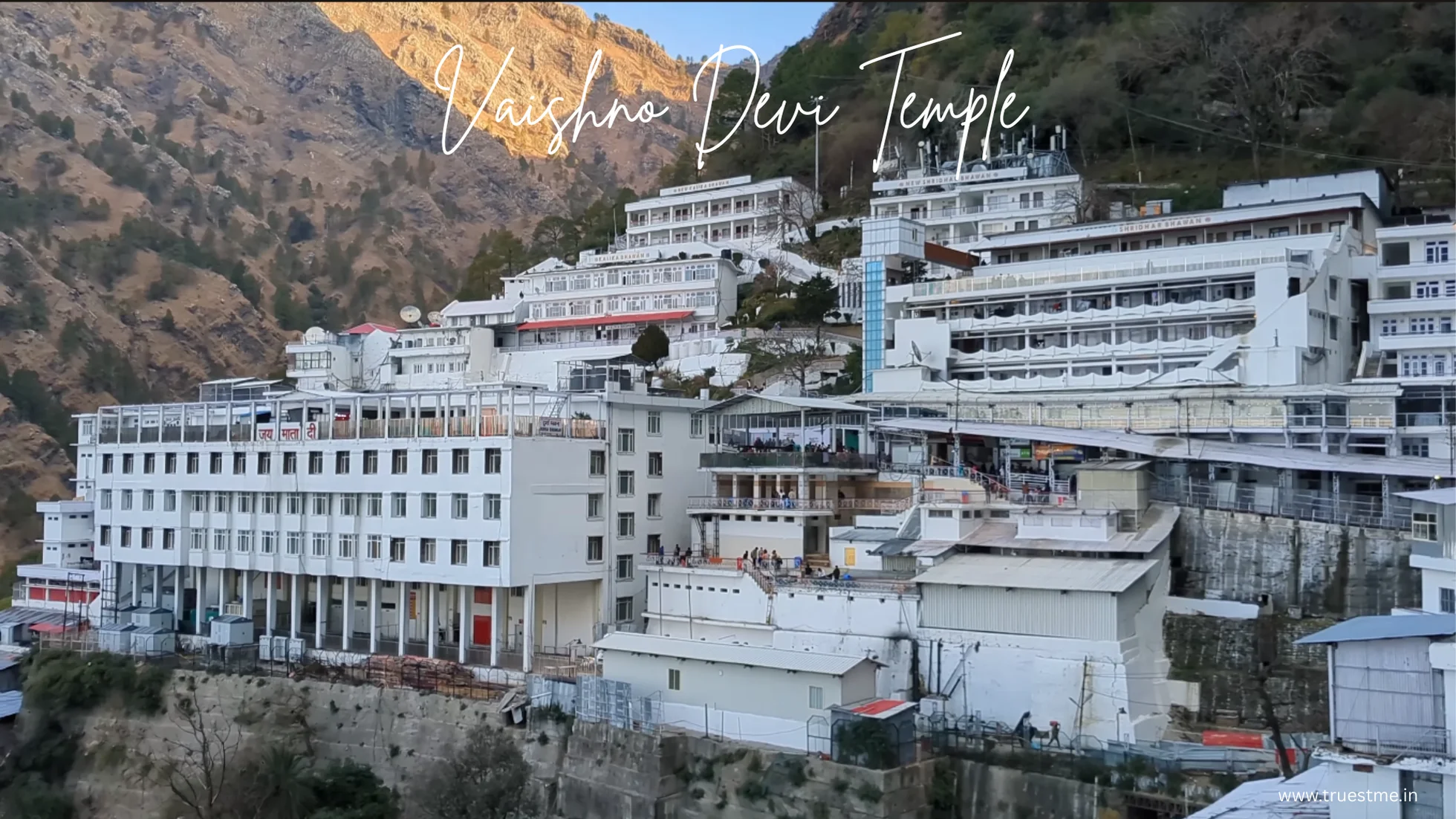
Nestled in the Trikuta Hills of Jammu & Kashmir, the Vaishno Devi Temple is one of India’s most revered pilgrimage destinations. Dedicated to Goddess Vaishno Devi—an incarnation of Goddess Durga—the temple attracts millions of devotees each year. Pilgrims undertake the spiritually transformative yatra to seek her blessings, making it not only a religious journey but also an adventure through breathtaking mountain trails and serene forests.
History and Mythology of Vaishno Devi Temple
The story of Vaishno Devi is rooted in Hindu mythology. The goddess is believed to have manifested herself to destroy evil and guide devotees toward righteousness. Key legends include:
Bhairon Nath: A demon who pursued the goddess but attained salvation at her feet. The Bhairon Nath Temple nearby commemorates this story.
Manifestation of Goddess: Vaishno Devi embodies the energies of the trinity—Durga, Lakshmi, and Saraswati, symbolizing courage, prosperity, and knowledge.
Historical texts, including the Skanda Purana, reference the cave shrine, highlighting its importance over centuries. Pilgrims’ contributions have transformed this humble cave into a globally recognized spiritual center.
Spiritual Significance of the Yatra
The Vaishno Devi Yatra is more than a physical journey—it’s a spiritual purification. Devotees believe:
Undertaking the trek cleanses sins and strengthens faith.
Performing rituals like offering flowers, coconuts, or lighting incense deepens spiritual connection.
The collective energy of chanting pilgrims enhances devotion and personal reflection.
For many, visiting the temple leads to transformative experiences—overcoming fears, achieving clarity, and finding inner peace.
Geography, Climate, and Best Time to Visit
Location: Katra, Reasi district, Jammu & Kashmir
Altitude: 5,200 feet
Trek Distance: 12 km from Katra to the cave shrine
Best Season: Spring (March–May) and Autumn (September–November) for pleasant weather and scenic views
Winter: Cold, with possible snowfall affecting trek paths
Summer: Peak crowd season
The Trikuta Hills feature rugged terrain, pine forests, and waterfalls, making the pilgrimage a blend of spiritual and natural beauty.
Vaishno Devi Yatra: A Pilgrim’s Journey
Trekking
The traditional trek from Katra spans 12 km through well-marked stone paths. Key landmarks along the route:
Banganga: A sacred water source for purification.
Adhkuwari: Midpoint of the trek where the goddess is believed to have meditated.
The trek usually takes 5–8 hours depending on fitness level.
Alternative Travel Options
Helicopter Ride: Quick and scenic, takes about 15–20 minutes.
Pony Ride: Convenient for elderly or less fit pilgrims.
Palki (Palanquin): Carried by local porters, offering a traditional experience.
Yatra Preparation Tips
Wear comfortable trekking shoes and warm clothing.
Carry light snacks, water, and personal essentials.
Start early to avoid afternoon crowds.
Follow temple rules and respect local customs.
Vaishno Devi Temple Architecture and Sacred Features
The cave shrine is modest yet profoundly spiritual. Highlights include:
Sanctum Sanctorum: Houses the naturally formed Pindis of Goddess Vaishno Devi.
Bhairon Nath Temple: Marks the demon’s redemption spot.
Banganga: Holy spring used for purification.
Adhkuwari: Where the goddess performed penance.
Unlike grand temple complexes, Vaishno Devi’s charm lies in its natural cave setting, combining spirituality with the raw beauty of the Trikuta Hills.
Rituals and Festivals
Daily Aarti: Conducted multiple times a day, drawing pilgrims to the sanctum.
Navratri Festival: Celebrated twice yearly, with special prayers, hymns, and offerings.
Offerings: Flowers, coconuts, sweets, and red threads symbolize devotion and gratitude.
These rituals preserve centuries-old spiritual traditions and offer an immersive experience for visitors.
Accommodation and Travel Tips
Katra Accommodation: Options range from budget lodges to luxury hotels.
Travel Advice: Book stays in advance, carry trekking gear, stay hydrated, and respect environmental guidelines.
International Visitors: Check travel permits and local regulations before visiting.
Local Cuisine and Culture
Experience the region’s flavors while on the pilgrimage:
Rajma Chawal – traditional hearty meal.
Kashmiri Noon Chai – warming tea for cold treks.
Local sweets and snacks from vendors along the trail.
The local culture emphasizes hospitality and spiritual devotion, enriching the overall pilgrimage experience.
Conclusion: A Journey Beyond Faith
The Vaishno Devi Temple is a journey of devotion, endurance, and spiritual awakening. From trekking through lush forests to visiting sacred landmarks and witnessing centuries-old rituals, every aspect of the yatra leaves a lasting impression. For anyone seeking faith, clarity, and inner peace, the Vaishno Devi pilgrimage is not just a visit—it is a transformative spiritual experience.