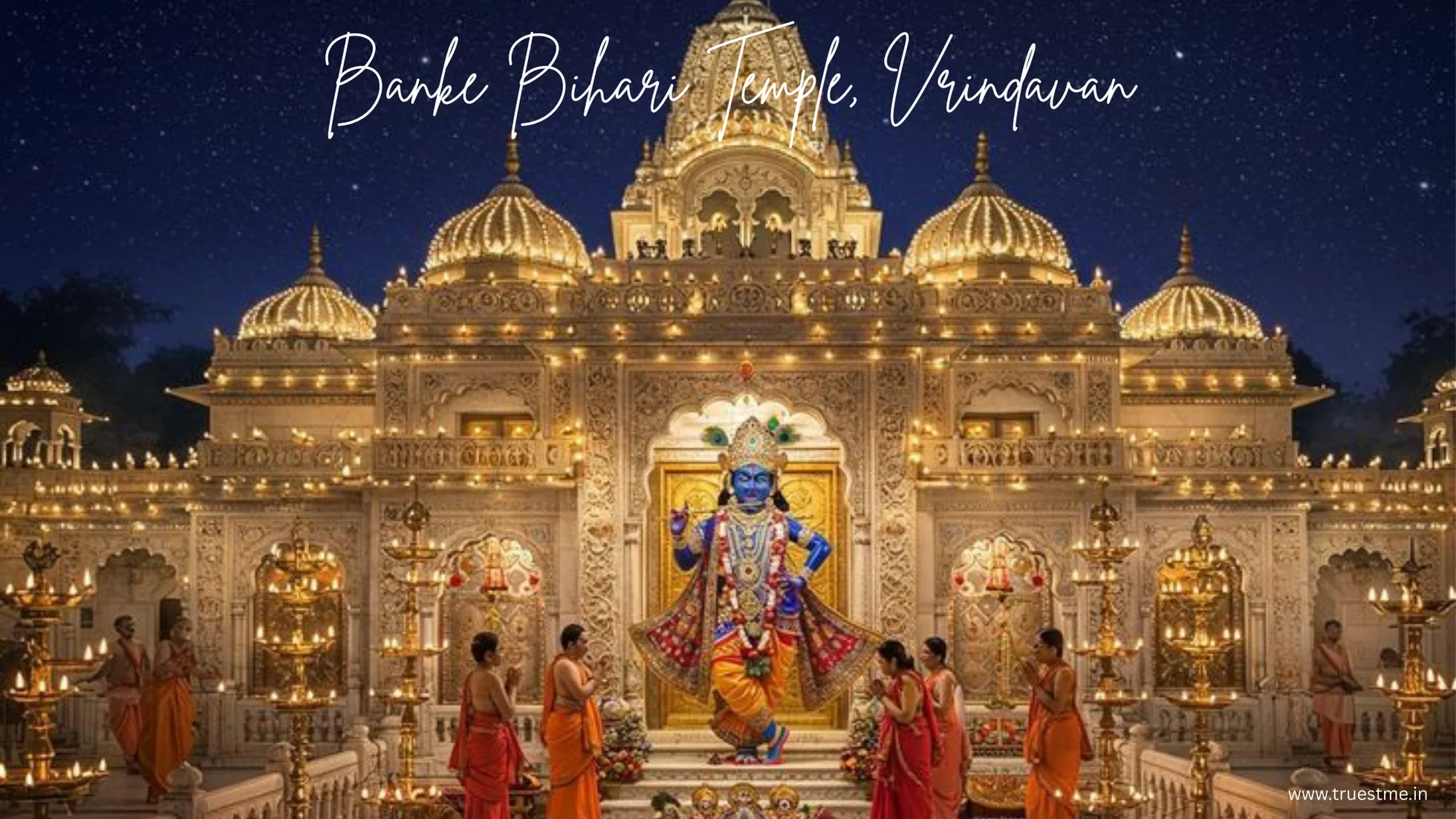
The Banke Bihari Temple in Vrindavan is more than a place of worship; it is a living center of Krishna bhakti, where devotees experience the playful, loving energy of the divine. Revered across India and abroad, the temple attracts pilgrims seeking both spiritual solace and a connection to Krishna’s childhood pastimes.
Unlike grandiose temples built for spectacle, Banke Bihari emphasizes intimacy, devotion, and spiritual experience, making it an unparalleled center of Gaudiya Vaishnav tradition.
Vrindavan – The Sacred Landscape
Vrindavan is often called “Krishna’s playground”, a living representation of his divine pastimes (Leelas). According to Bhagavata Purana and other scriptures:
- Krishna spent his formative years here, performing Ras Leela with Gopis
- He lifted Govardhan Hill to protect villagers from torrential rains
- Subdued Kaliya Naag, showcasing divine valor
- Engaged in playful childhood acts that symbolize divine love and joy
The entire town is designed around these spiritual landmarks, and Banke Bihari Temple is central to this devotional landscape, embodying the intimate, Madhurya Bhava form of Krishna.
Historical Background and Legend
The deity of Banke Bihari is closely associated with Swami Haridas, a 16th-century saint, musician, and teacher of classical Indian music:
- Swami Haridas is said to have invoked Krishna through devotional songs and meditation
- Pleased by his devotion, Krishna manifested in a Tribhanga posture, dancing and smiling
- The deity was installed in a small sanctum to preserve intimacy, emphasizing devotion over ritual grandeur
Historical records suggest:
- The temple has evolved from a simple shrine to the present structure
- The daily rituals and practices are influenced by centuries of Gaudiya Vaishnav devotion
- The temple continues to reflect both spiritual continuity and cultural preservation
Architectural Marvel and Symbolism
While relatively small compared to modern mega-temples, Banke Bihari’s architecture enhances spiritual engagement:
Key Features:
- Garbhagriha (Inner Sanctum): Small, enclosed space focusing all attention on the deity
- Pillared Courtyard: Supports congregational aartis, bhajans, and devotional gatherings
- Sculptures & Carvings: Depict Krishna’s childhood and Raas Leela, serving as visual scripture
- Temple Materials: Polished stone, painted elements, and traditional motifs
Symbolism:
- Tribhanga posture of Krishna → grace, elegance, and dynamic energy
- Inner sanctum intimacy → personal, direct devotional experience
- Courtyard gathering space → collective devotion and energy flow
- Decorative carvings → educational tool for devotees to learn Krishna’s stories
This careful design ensures that every element is spiritually meaningful, not merely ornamental.
The Deity – Banke Bihari
Banke Bihari is a unique manifestation of Krishna, embodying joy, love, and playful energy:
- Tribhanga posture: Body bent at three points, symbolizing fluidity and divine play
- Expressive features: Smile, eyes, and posture communicate intimate connection
- Daily attire & ornaments: Changed multiple times a day, reflecting ritual, seasons, and devotional themes
- Curtain rituals: Partially covering the deity enhances mystery and focus for devotees
Devotees believe that the deity responds to sincere devotion, making every darshan a living spiritual encounter.
Daily Rituals and Devotional Practices
Banke Bihari Temple is a hub of devotional activity throughout the day:
- Mangala Aarti (Early Morning): Awakens the deity with music and bhajans
- Bhog & Offering: Devotees present food, sweets, and flowers to the deity
- Darshan Rules: Shoes removed, photography prohibited, quietness maintained inside the sanctum
- Evening Aarti: Largest gathering with lamps, chanting, singing, and sometimes devotional dancing
The rituals are structured to cultivate both personal devotion and communal spiritual energy, allowing visitors to participate actively.
Festivals and Celebrations
The temple comes alive during festivals, reflecting Krishna’s playful and loving nature:
- Janmashtami: Birth of Krishna celebrated with singing, dancing, and elaborate midnight rituals
- Holi: Colors and water play symbolize Krishna’s playful nature
- Radhastami: Honors Radha, Krishna’s eternal consort
- Diwali & Kartik month: Extended devotional ceremonies, lamp illumination, and congregational chanting
During these events, the temple is transformed into a theater of devotion, allowing visitors to experience the energy of Krishna’s pastimes firsthand.
Spiritual Significance
- Banke Bihari Temple represents the Madhurya Bhava of Gaudiya Vaishnavism:
- Emphasizes intimate, loving devotion over ritual formalism
- Encourages music, dance, and participation in devotional service
- Acts as a center for learning, singing, and cultural preservation
- Inspires poets, musicians, and devotees through centuries
The temple’s atmosphere is said to invoke spiritual bliss and deepen the devotee’s connection to Krishna.
Visiting Information and Guidelines
Opening Hours: 4:30 AM – 1:00 PM; 4:00 PM – 9:00 PM
Entry: Free
Visitor Rules:
- Remove shoes
- Maintain silence inside sanctum
- Respect darshan etiquette
- Photography inside inner sanctum prohibited
Best Visiting Time: Early morning for a calm experience; evenings for immersive aarti and devotional bhajans.
How to Reach
Railway: Mathura Junction (15 km)
Air: Agra (75 km), Delhi (150 km)
Road: Connected by bus and taxi from Delhi, Agra, and nearby towns
Local Transport: Auto-rickshaws, taxis, cycle rickshaws
Nearby Attractions
For a complete spiritual journey, visit:
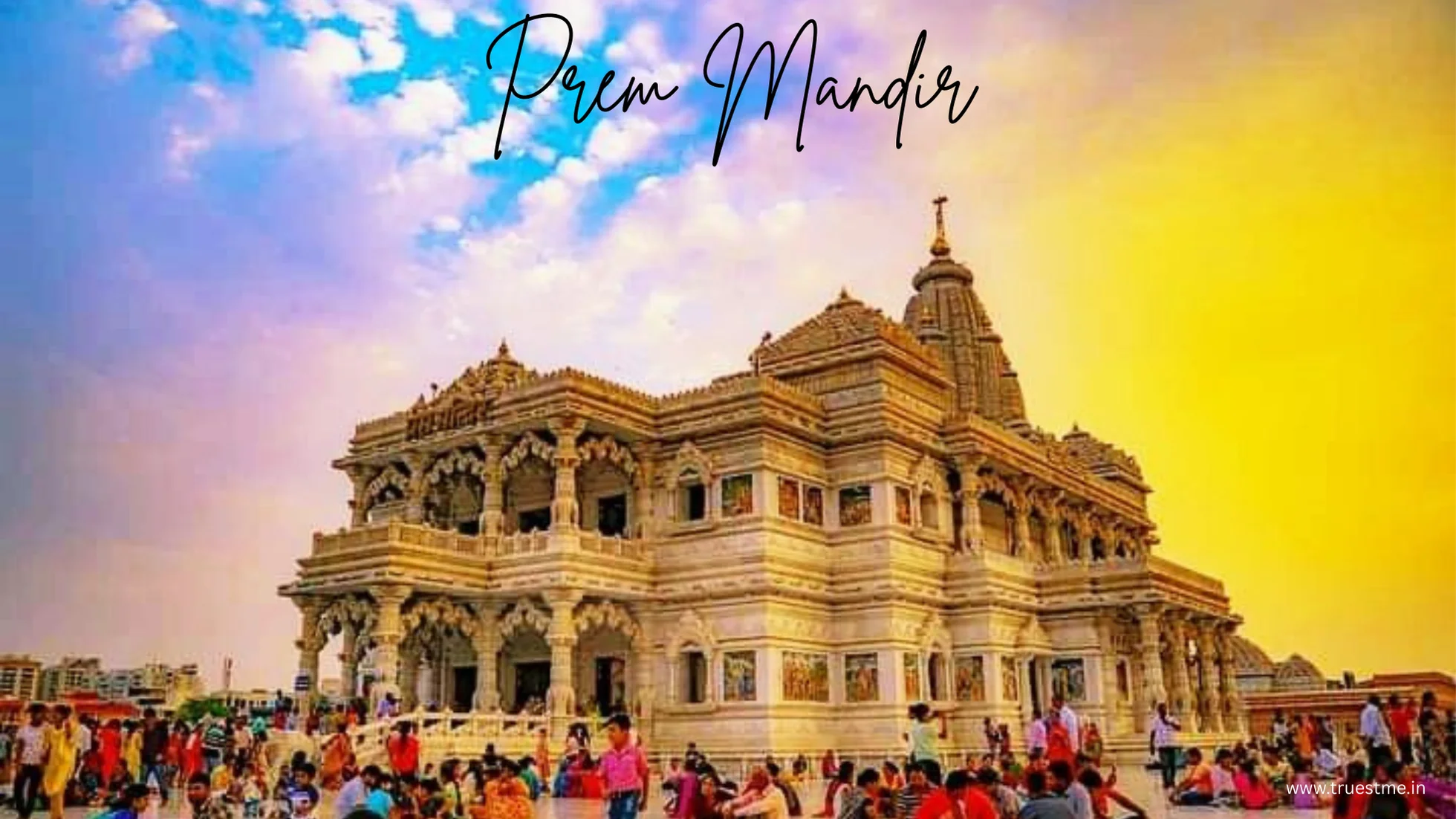
- Prem Mandir
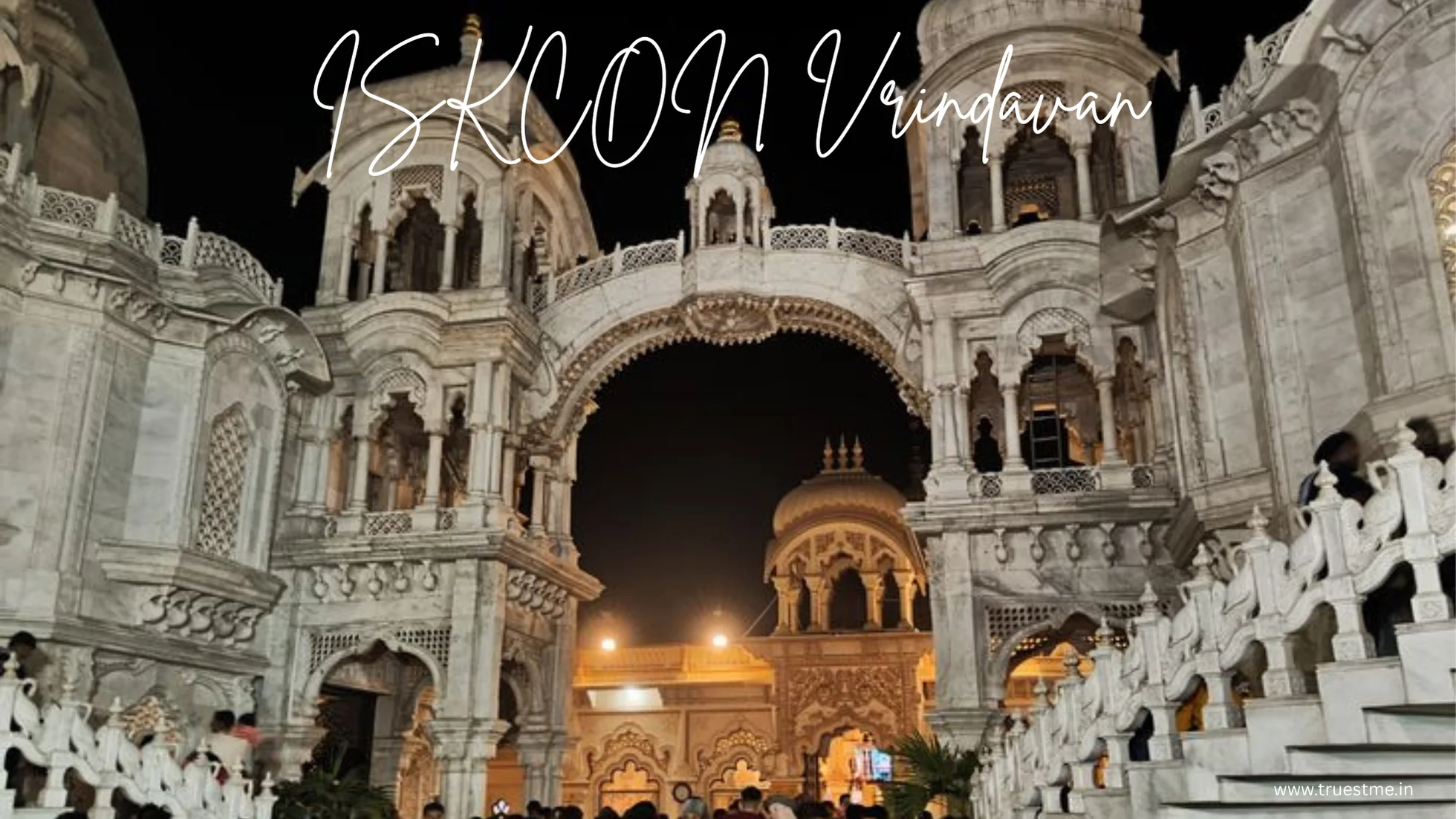
- ISKCON Temple, Vrindavan
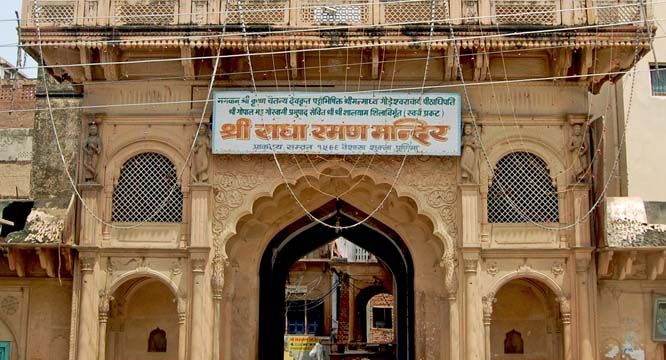
- Radha Raman Temple
- Mathura
Exploring these creates a holistic pilgrimage, tracing Krishna’s Vrindavan pastimes through multiple sacred spaces.
Travel Tips
- Dress modestly to respect temple sanctity
- Visit early mornings or evenings for best spiritual experience
- Participate in bhajans and aartis for immersive devotion
- Avoid peak festival hours if seeking a quieter darshan
- Carry water and light snacks for longer visits
Conclusion
Banke Bihari Temple is not just a religious monument, but a living embodiment of Krishna’s divine love and play. Its:
- Unique deity posture
- Intimate sanctum design
- Rich festival celebrations
- Devotional energy
…combine to create a transformative spiritual experience. Visiting the temple connects devotees and travelers alike with centuries of tradition, love, and bhakti, making it a must-visit spiritual destination in India.