Among the twelve sacred Jyotirlingas dedicated to Lord Shiva, Vaidyanath Jyotirlinga, also known as Baba Baidyanath Dham, holds a unique place in the hearts of millions of devotees. Located in the holy city of Deoghar, Jharkhand, this ancient temple is one of India's most revered pilgrimage destinations. Every year, countless devotees travel from across the country to seek Lord Shiva's blessings for good health, peace, prosperity, and spiritual growth.
The word "Vaidyanath" means "Lord of Physicians" or "Divine Healer." According to Hindu beliefs, Lord Shiva appeared here as the supreme healer, capable of removing physical suffering as well as mental and spiritual pain. This sacred association makes the temple especially significant for devotees praying for health, recovery, and inner peace.
One of the most remarkable aspects of Baba Baidyanath Dham is its connection with the famous Shravan Mela, one of the largest annual religious gatherings in India. During the holy month of Shravan, millions of Kanwariyas collect sacred water from the Ganga at Sultanganj in Bihar and undertake a pilgrimage of approximately 105 kilometers on foot to offer the holy water to Lord Shiva at the temple. Their devotion, discipline, and faith create a spiritually uplifting atmosphere throughout Deoghar.
Apart from its religious importance, Vaidyanath Temple is also admired for its ancient architecture, historical significance, and deep-rooted mythology. The temple complex includes the main shrine dedicated to Lord Shiva along with several smaller temples devoted to Goddess Parvati, Lord Ganesha, Goddess Kali, Lord Hanuman, and other Hindu deities, making it a complete spiritual destination.
Whether you are planning a pilgrimage, researching the 12 Jyotirlingas, exploring India's rich cultural heritage, or simply seeking spiritual inspiration, Vaidyanath Jyotirlinga offers an unforgettable experience that beautifully combines faith, history, mythology, and devotion.
In this comprehensive guide, you will discover the fascinating history of Baba Baidyanath Dham, the legendary story of Ravana's devotion, the temple's spiritual significance, architecture, darshan timings, important festivals, travel information, nearby attractions, and practical tips to help you plan a meaningful visit.
History of Vaidyanath Jyotirlinga
The history of Vaidyanath Jyotirlinga is deeply rooted in Hindu traditions and has been preserved through ancient scriptures, local legends, and centuries of uninterrupted worship. Considered one of the oldest Shiva temples in India, Baba Baidyanath Dham has remained a major center of devotion for thousands of years.
References to this sacred shrine can be found in several revered Hindu texts, including the Shiva Purana, Skanda Purana, and Dwadasa Jyotirlinga Stotram, where Lord Shiva is worshipped as Vaidyanath—the Divine Healer who blesses devotees with health, strength, and liberation.
The temple's importance increased over time as saints, sages, and pilgrims from different regions visited Deoghar to perform penance and seek Lord Shiva's blessings. Its spiritual reputation spread across India, transforming Baba Baidyanath Dham into one of the country's most respected pilgrimage centers.
Historically, the temple has undergone restoration and maintenance under the patronage of various regional rulers and devotees. Despite the passage of time, the sanctity of the temple has remained unchanged, preserving ancient rituals and traditions that continue to this day.
Today, the temple welcomes millions of pilgrims every year, making it one of the busiest and most significant Shiva temples in India. The uninterrupted flow of devotees reflects the enduring faith and spiritual importance that Vaidyanath Jyotirlinga continues to hold in Hinduism.
Why is Vaidyanath Jyotirlinga Famous?
There are several reasons why Baba Baidyanath Dham is considered one of the most important pilgrimage sites in India:
- It is one of the 12 sacred Jyotirlingas of Lord Shiva.
- It is believed that sincere prayers here bring relief from suffering and promote good health.
- The temple is closely associated with the legendary devotion of Ravana.
- It hosts the world-famous Shravan Mela, attracting millions of devotees every year.
- It has been a major center of Hindu pilgrimage for centuries.
- The temple complex houses multiple shrines dedicated to various Hindu deities, offering a complete spiritual experience.
- The continuous chanting of "Bol Bam" during the Shravan pilgrimage creates an atmosphere of devotion unlike any other sacred destination in India.
These spiritual, historical, and cultural factors together make Vaidyanath Jyotirlinga one of the most visited and respected Shiva temples in the country.
Mythological Story of Vaidyanath Jyotirlinga
The divine origin of Vaidyanath Jyotirlinga is closely connected with one of the most fascinating stories in Hindu mythology—the unwavering devotion of Ravana, the king of Lanka. This legend, mentioned in various Hindu scriptures and traditional beliefs, explains how Lord Shiva came to reside at Deoghar as Baba Baidyanath.
According to Hindu mythology, Ravana was not only a mighty king but also one of the greatest devotees of Lord Shiva. Desiring to make Lanka invincible and blessed with Shiva's eternal presence, Ravana performed severe penance to please the Lord. His devotion was so intense that he meditated for years without any concern for comfort or hardship.
When Lord Shiva did not immediately appear, Ravana offered his own heads one after another as a symbol of complete surrender. As he prepared to sacrifice his tenth head, Lord Shiva manifested before him, deeply moved by his devotion. Pleased with Ravana's dedication, Shiva restored all his heads and healed his wounds. Because Lord Shiva acted as the divine healer, He became known as Vaidyanath, meaning "Lord of Physicians."
The Divine Condition
After granting Ravana a boon, Lord Shiva presented him with a sacred Shiva Linga and allowed him to carry it to Lanka. However, Shiva placed one important condition:
The Linga should never be placed on the ground during the journey. Once it touched the earth, it would remain permanently at that location.
Ravana accepted the condition and began his journey towards Lanka while carrying the sacred Jyotirlinga.
How the Jyotirlinga Reached Deoghar
The gods became concerned that if the Jyotirlinga reached Lanka, Ravana's power would become almost impossible to defeat. To prevent this, Lord Vishnu and the other deities devised a plan.
During the journey, Ravana felt an urgent need to perform natural ablutions. Since he could not place the Linga on the ground, he requested a young cowherd—believed in many traditions to be Lord Ganesha in disguise—to hold it for a short time.
The cowherd agreed but warned Ravana that he would not be able to hold the Linga for long. After waiting briefly, the boy placed the Linga on the ground. When Ravana returned, he tried with all his strength to lift it again, but the Jyotirlinga had become firmly established in the earth and could not be moved.
Realizing that this was Lord Shiva's divine will, Ravana worshipped the Linga at that very place before returning to Lanka. That sacred location is now revered as Vaidyanath Jyotirlinga, situated in present-day Deoghar, Jharkhand.
Why Lord Shiva is Called Vaidyanath
The name Vaidyanath comes from the Sanskrit words:
- Vaidya – Physician or healer
- Nath – Lord or Master
According to tradition, Lord Shiva healed Ravana after his intense penance, earning the title Vaidyanath, the Divine Healer. Devotees believe that sincere prayers at Baba Baidyanath Dham help remove physical suffering, mental stress, and spiritual obstacles.
For this reason, many pilgrims visit the temple to seek blessings for:
- Good health
- Recovery from illness
- Inner peace
- Family well-being
- Prosperity
- Spiritual growth
Spiritual Significance of Vaidyanath Jyotirlinga
Among the 12 sacred Jyotirlingas, Vaidyanath Jyotirlinga is regarded as one of the most spiritually powerful shrines dedicated to Lord Shiva. The temple is believed to radiate divine energy that inspires faith, devotion, and self-transformation.
Devotees believe that offering water, milk, and Bilva (Bel) leaves to the Jyotirlinga with sincere devotion pleases Lord Shiva and brings blessings into their lives.
The temple also symbolizes:
- Healing of body, mind, and soul
- Victory of devotion over ego
- Compassion and mercy of Lord Shiva
- The importance of faith and surrender
- Liberation from negative influences and suffering
Millions of devotees chant "Om Namah Shivaya" while performing worship, creating an atmosphere filled with devotion and spiritual positivity.
Importance Among the Twelve Jyotirlingas
The Dwadasa Jyotirlingas are considered the holiest manifestations of Lord Shiva across India. Each Jyotirlinga represents a unique aspect of Shiva's divine presence.
Vaidyanath Jyotirlinga is especially revered because it represents Lord Shiva as the Supreme Healer, offering hope and strength to devotees facing physical, emotional, or spiritual challenges.
Pilgrims often include Baba Baidyanath Dham in their journey to visit all twelve Jyotirlingas, believing that such a pilgrimage brings immense spiritual merit and divine blessings.
The enduring faith of millions of devotees, the temple's deep mythological roots, and its centuries-old traditions continue to make Vaidyanath Jyotirlinga one of the most sacred and spiritually significant pilgrimage destinations in India.
Temple Architecture of Vaidyanath Jyotirlinga
The Vaidyanath Jyotirlinga Temple, popularly known as Baba Baidyanath Dham, is not only a major spiritual destination but also an architectural masterpiece that reflects India's rich religious heritage. Situated in the heart of Deoghar, Jharkhand, the temple has stood for centuries as a symbol of unwavering faith and devotion.
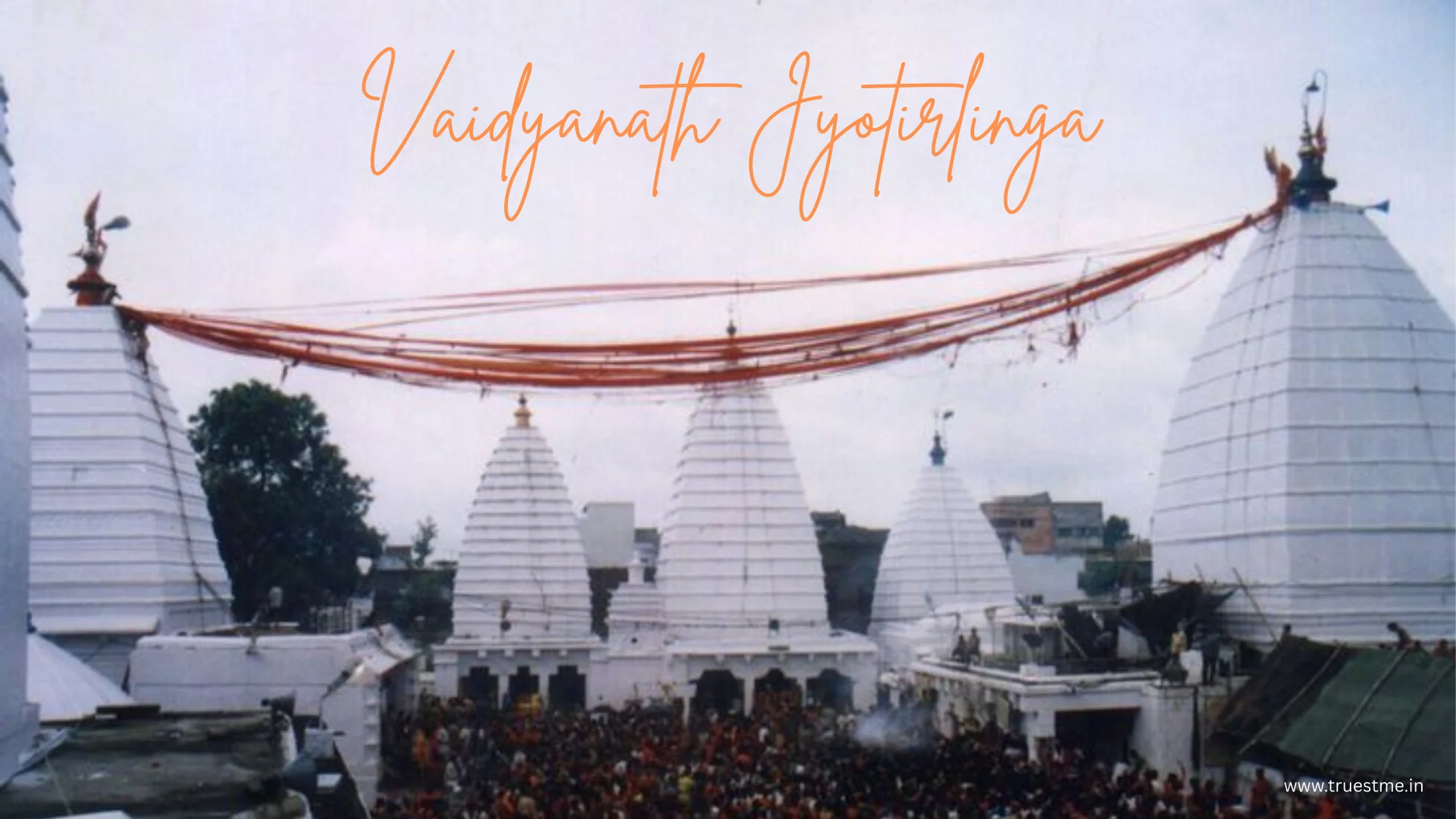
The main temple is built in the traditional Nagara style of North Indian temple architecture. Rising to a height of nearly 72 feet (22 meters), its towering white shikhara (spire) is visible from a distance and serves as a spiritual landmark for pilgrims approaching the holy shrine.
The temple's stone walls, ancient carvings, and timeless design reflect the craftsmanship of early Indian temple builders. Although the temple has undergone restoration over the centuries, its sacred atmosphere and traditional architectural style have been carefully preserved.
The Sacred Jyotirlinga
At the heart of the temple lies the revered Vaidyanath Jyotirlinga, worshipped as one of the twelve Jyotirlingas of Lord Shiva. The Shiva Linga is installed within the sanctum sanctorum (Garbhagriha), where devotees offer holy water, milk, Bilva (Bel) leaves, flowers, sandalwood paste, and prayers.
Unlike many temples where devotees can only view the deity from a distance, Baba Baidyanath Dham traditionally allows pilgrims to personally perform Jalabhishek, making the worship experience deeply personal and spiritually fulfilling, subject to temple management and crowd regulations.
Temple Complex
The Baba Baidyanath Temple Complex consists of the main Shiva temple along with 21 subsidiary temples dedicated to various Hindu deities. Together, these shrines create a spiritually vibrant environment where devotees can seek blessings from multiple divine forms in a single pilgrimage.
Some of the prominent temples within the complex include:
- Maa Parvati Temple
- Lord Ganesha Temple
- Maa Kali Temple
- Lord Hanuman Temple
- Kal Bhairav Temple
- Maa Annapurna Temple
- Lakshmi Narayan Temple
- Surya Temple
Among these, the Maa Parvati Temple holds special significance. A sacred red thread symbolically connects the shrine of Lord Shiva with that of Goddess Parvati, representing their eternal divine union.
Spiritual Atmosphere Inside the Temple
As devotees enter the temple premises, they are welcomed by the continuous chanting of "Bol Bam", "Har Har Mahadev", and "Om Namah Shivaya." The fragrance of incense, the sound of temple bells, and the sight of countless devotees engaged in prayer create an atmosphere filled with devotion and positive energy.
Throughout the year, pilgrims from every corner of India visit the temple to offer prayers. During the holy month of Shravan, the temple remains open for extended hours to accommodate the enormous number of devotees participating in the Kanwar Yatra.
Vaidyanath Temple Darshan Timings
The temple generally follows a daily schedule for darshan and rituals. Timings may vary slightly during festivals and special occasions.
| Activity | Approximate Time |
|---|---|
| Temple Opens | 4:00 AM |
| Mangala Aarti | Early Morning |
| General Darshan | Morning onwards |
| Midday Rituals | Around Noon |
| Evening Aarti | Evening |
| Temple Closes | Around 9:00 PM |
Pilgrims are advised to arrive early in the morning, especially on Mondays, during the month of Shravan, and on Maha Shivaratri, when the temple experiences a very large number of visitors.
Daily Rituals and Pooja
Several sacred rituals are performed every day at Baba Baidyanath Dham. These rituals are conducted according to long-standing traditions and are attended by devotees seeking Lord Shiva's blessings.
Some of the major rituals include:
- Mangala Aarti
- Jalabhishek
- Rudrabhishek
- Bilva Patra Offering
- Milk Abhishek
- Panchamrit Abhishek
- Sandhya Aarti
- Special Festival Poojas
Many devotees also book special pujas to pray for health, prosperity, family well-being, and spiritual progress.
Dress Code and Temple Etiquette
Although there is no strict dress code, visitors are encouraged to wear clean, modest, and traditional attire as a mark of respect for the sacred atmosphere.
Before entering the temple, devotees should keep the following guidelines in mind:
- Remove footwear before entering the temple premises.
- Maintain silence and respect during worship.
- Follow the queue system patiently.
- Carry only permitted items for offering.
- Avoid plastic waste inside the temple complex.
- Follow the instructions issued by temple authorities and security personnel.
- Respect the sanctity of all shrines within the complex.
Facilities Available for Devotees
To ensure a comfortable pilgrimage experience, several facilities are available around Baba Baidyanath Dham, including:
- Drinking water facilities
- Prasad shops
- Locker facilities
- Shoe deposit counters
- Parking areas
- Accommodation options
- Medical assistance
- Police help centers
- Information counters
- Local transportation services
During the Shravan Mela, additional temporary facilities are arranged by the local administration to manage the large influx of pilgrims.
A Divine Experience for Every Visitor
A visit to Vaidyanath Jyotirlinga is much more than a temple tour—it is a journey of faith, devotion, and self-discovery. Whether you come to perform Jalabhishek, seek blessings for good health, or simply experience the peaceful atmosphere, Baba Baidyanath Dham leaves every visitor with a deep sense of spiritual fulfillment.
The temple's ancient architecture, sacred rituals, and centuries-old traditions continue to inspire millions of devotees, making it one of the most important pilgrimage destinations dedicated to Lord Shiva in India.
Best Time to Visit Vaidyanath Jyotirlinga
Although Vaidyanath Jyotirlinga (Baba Baidyanath Dham) welcomes devotees throughout the year, choosing the right season can make your pilgrimage more comfortable and spiritually enriching.
Shravan Month (July–August)
The holy month of Shravan is considered the most auspicious time to visit Baba Baidyanath Dham. During this period, millions of Kanwariyas carry sacred water from the Ganga at Sultanganj, Bihar, and walk nearly 105 km to offer Jalabhishek to Lord Shiva.
The entire city of Deoghar comes alive with devotional chants of "Bol Bam" and "Har Har Mahadev." If you wish to witness one of India's largest Shiva pilgrimages, Shravan is the ideal time. However, be prepared for long queues, heavy crowds, and increased travel demand.
Maha Shivaratri
Another highly significant occasion is Maha Shivaratri, when thousands of devotees gather at the temple to offer prayers, perform special rituals, and participate in night-long worship dedicated to Lord Shiva.
October to March
For travelers seeking a peaceful and comfortable pilgrimage, the period from October to March is considered the best. The weather remains pleasant, making it easier to explore the temple complex and nearby attractions without the extreme heat or monsoon rains.
How to Reach Vaidyanath Jyotirlinga
Located in Deoghar, Jharkhand, Baba Baidyanath Dham is well connected by air, rail, and road.
By Air
The nearest airport is Deoghar Airport, which offers connectivity to several major Indian cities. Travelers can also use Birsa Munda Airport (Ranchi) or Jay Prakash Narayan International Airport (Patna) and continue their journey by road or rail.
By Train
Deoghar Junction Railway Station is the nearest railway station and is connected to many important cities across India. Other nearby stations include Jasidih Junction, a major railway hub located a short distance from the temple.
By Road
Deoghar enjoys good road connectivity with Ranchi, Patna, Dhanbad, Kolkata, Asansol, and other nearby cities. Government buses, private buses, taxis, and self-drive vehicles are convenient options for reaching the temple.
Nearby Attractions
A pilgrimage to Baba Baidyanath Dham can be combined with visits to several nearby religious and tourist attractions.
1. Basukinath Temple
Located around 45 km from Deoghar, Basukinath Temple is dedicated to Lord Shiva. According to local tradition, many devotees complete their pilgrimage only after offering prayers at both Baba Baidyanath Dham and Basukinath Temple.
2. Naulakha Mandir
Built with beautiful white marble architecture, Naulakha Mandir is dedicated to Radha and Krishna. The temple is known for its peaceful surroundings and elegant design.
3. Tapovan Hills
Tapovan Hills is a scenic destination featuring caves, ancient temples, and panoramic views. It is believed that several sages performed meditation here, making it a place of both natural beauty and spiritual importance.
4. Shivganga
Located close to the temple, Shivganga is a sacred pond where many pilgrims take a holy dip before entering the temple for darshan.
5. Trikut Hills
Adventure lovers and nature enthusiasts can visit Trikut Hills, famous for its scenic landscapes, ropeway ride, trekking opportunities, and peaceful environment.
Accommodation Near the Temple
Deoghar offers accommodation options suitable for every budget.
Visitors can choose from:
- Budget hotels
- Mid-range hotels
- Premium hotels
- Dharamshalas
- Ashrams
- Guest houses
During Shravan and Maha Shivaratri, rooms are booked quickly. It is advisable to reserve accommodation well in advance.
Travel Tips for Pilgrims
To make your visit smooth and memorable, keep these practical tips in mind:
- Start your journey early to avoid long queues.
- Wear comfortable clothing and footwear suitable for walking.
- Carry drinking water and essential medicines.
- Follow temple rules and maintain cleanliness.
- Respect local traditions and religious customs.
- Keep your valuables secure in crowded areas.
- Visit early in the morning for a more peaceful darshan experience.
- Check official announcements for festival schedules and special arrangements before planning your trip.
Interesting Facts About Vaidyanath Jyotirlinga
- Vaidyanath Jyotirlinga is one of the 12 sacred Jyotirlingas dedicated to Lord Shiva.
- The temple is popularly known as Baba Baidyanath Dham or Baba Dham.
- The name Vaidyanath means "Lord of Physicians" or "Divine Healer."
- The temple attracts millions of devotees every year, especially during the Shravan Mela.
- The Kanwar Yatra to Baba Baidyanath Dham is among the largest annual religious pilgrimages in India.
- The temple complex includes the main shrine along with 21 subsidiary temples dedicated to various Hindu deities.
- Devotees traditionally offer water, milk, Bilva leaves, flowers, and prayers to seek Lord Shiva's blessings.
Frequently Asked Questions (FAQs)
Where is Vaidyanath Jyotirlinga located?
Vaidyanath Jyotirlinga is located in Deoghar district, Jharkhand, India.
Why is Vaidyanath Jyotirlinga famous?
It is one of the twelve Jyotirlingas of Lord Shiva and is especially revered for its spiritual significance, ancient traditions, and association with Ravana's devotion.
What is the best time to visit Baba Baidyanath Dham?
October to March offers pleasant weather, while the month of Shravan is considered the most spiritually significant period for devotees.
Can devotees perform Jalabhishek themselves?
Traditionally, devotees are allowed to offer Jalabhishek personally, subject to temple regulations and crowd management arrangements.
Which is the nearest railway station?
Deoghar Junction and Jasidih Junction are the nearest major railway stations.
Which airport is nearest to the temple?
Deoghar Airport is the closest airport to Baba Baidyanath Dham.
How many temples are there in the temple complex?
The complex consists of the main Shiva temple along with 21 subsidiary temples dedicated to different Hindu deities.
What offerings are commonly made at the temple?
Devotees commonly offer holy water, milk, Bilva (Bel) leaves, flowers, sandalwood paste, and fruits while praying to Lord Shiva.
Conclusion
Vaidyanath Jyotirlinga (Baba Baidyanath Dham) is more than just a sacred temple—it is a timeless symbol of devotion, faith, healing, and spiritual awakening. Revered as one of the 12 Jyotirlingas, it attracts millions of devotees who come to seek Lord Shiva's blessings for health, prosperity, and inner peace.
From its captivating mythology and centuries-old traditions to its magnificent temple complex and vibrant festivals, Baba Baidyanath Dham offers a deeply meaningful pilgrimage experience. Whether you are a devotee, a history enthusiast, or a traveler exploring India's spiritual heritage, a visit to this sacred shrine leaves a lasting impression of peace and devotion.
Plan your journey with respect for local customs, immerse yourself in the temple's divine atmosphere, and experience the spiritual grace that has drawn pilgrims to Vaidyanath Jyotirlinga for generations.