Discover the Timeless Beauty of the White Desert
The Rann of Kutch is not just a desert—it is a rare natural phenomenon, a cultural treasure, and one of India’s most visually stunning landscapes. Located in the Kutch district of Gujarat, this vast seasonal salt marsh transforms into a breathtaking white expanse during winter, creating an almost surreal environment that attracts tourists, photographers, researchers, and cultural enthusiasts from across the globe.
Unlike typical deserts made of sand, the Rann is composed of salt flats formed through centuries of geological and climatic evolution. Combined with the vibrant traditions of Kutch, the grand cultural celebrations, and the region’s ecological uniqueness, the Rann of Kutch stands as one of India’s most extraordinary travel destinations.
Understanding the Rann of Kutch: Geography, Formation & Natural Uniqueness
What Does “Rann” Mean?
The term “Rann” originates from the Sanskrit word Irina, meaning a barren or desert land. The Rann of Kutch is a seasonal salt marsh that remains submerged in water during the monsoon and dries up during winter, leaving behind a thick white salt crust.
Geological Formation
Millions of years ago, the Rann region was part of the Arabian Sea. Due to tectonic shifts, sediment deposition, and climatic changes, the sea gradually receded, forming the salt marsh ecosystem we see today. Seasonal flooding by rivers like Luni and monsoon water contributes to the formation of salt layers.
Great Rann vs Little Rann
Great Rann of Kutch: Famous white desert and main tourist attraction
Little Rann of Kutch: Known for wildlife and salt production
Together, they form one of the largest salt deserts in the world, covering over 7,500 square kilometers.
Ecological Importance and Unique Desert Ecosystem
Despite its harsh climate, the Rann supports a surprisingly diverse ecosystem. The region becomes a wetland during monsoon and a dry salt desert in winter, making it ecologically dynamic.
Biodiversity Highlights:
- Migratory birds (flamingos, cranes, pelicans)
- Desert foxes and nilgai
- Rare species at Indian Wild Ass Sanctuary
- Salt-tolerant vegetation (halophytes)
The Rann is also recognized as an important ecological zone for migratory bird conservation.
Cultural Heritage of Kutch: A Living Museum of Traditions
The Kutch region is culturally rich and deeply rooted in centuries-old traditions. Various communities such as Rabari, Meghwal, and Mutwa tribes have preserved their heritage through art, attire, music, and crafts.
Cultural Highlights:
- Intricate Kutchi embroidery
- Rogan art (rare textile painting technique)
- Folk music and Garba-style dances
- Traditional mud houses called “Bhungas”
Villages like Hodka and Nirona provide immersive cultural tourism experiences where visitors can interact with local artisans and witness handmade craftsmanship.
Rann Utsav: The Cultural Soul of the White Desert
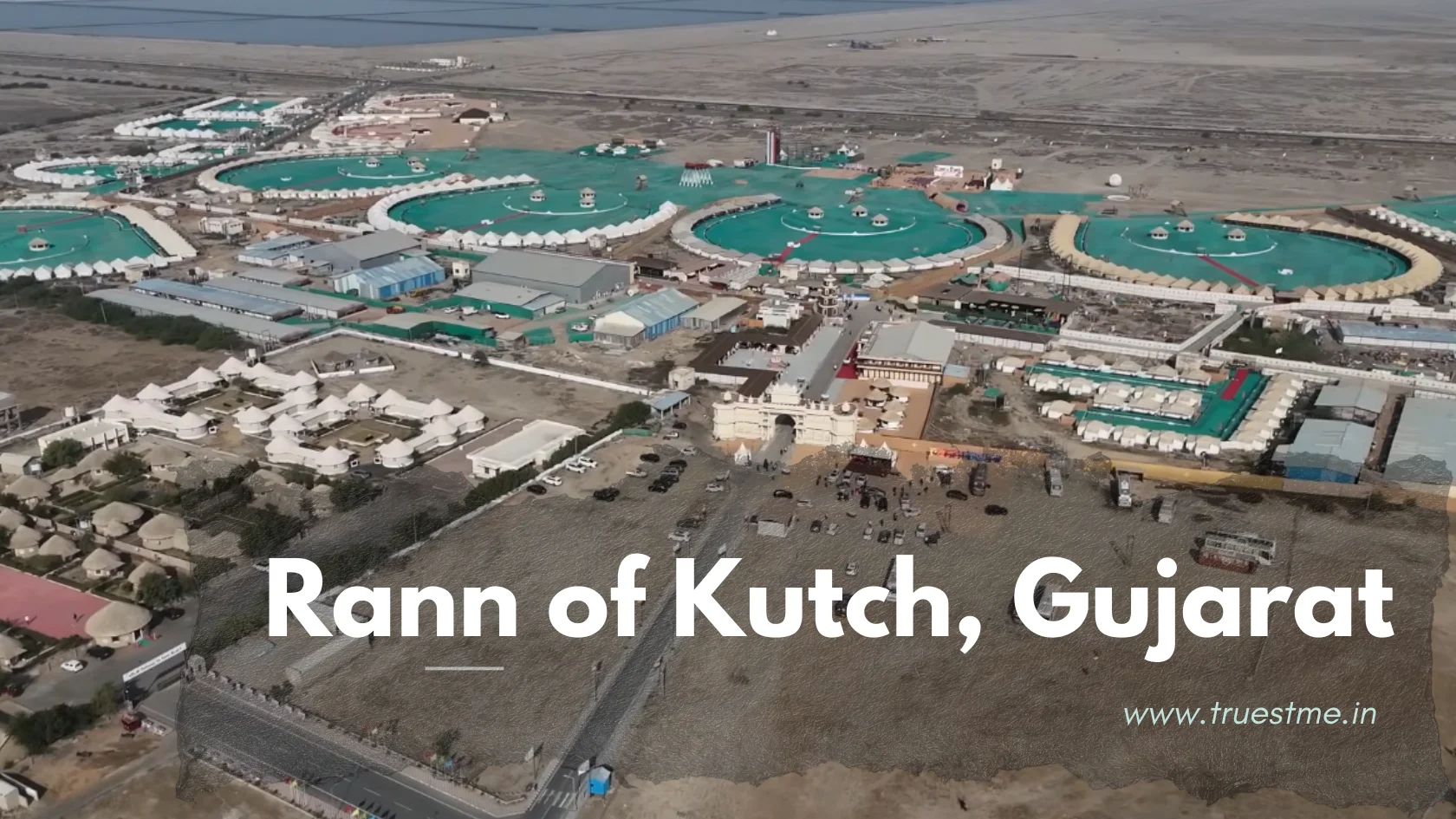
The globally recognized Rann Utsav is a grand cultural festival organized annually by Gujarat Tourism, usually from November to February.
Why Rann Utsav is Special:
- Cultural performances and folk dances
- Luxury Tent City accommodation
- Traditional handicraft markets
- Local cuisine and cultural exhibitions
- Adventure and desert activities
The festival transforms the quiet white desert into a vibrant cultural celebration, showcasing Gujarat’s heritage on an international stage.
Best Time to Visit Rann of Kutch (Seasonal Deep Guide)
Winter (November to February) – Ideal Season
- Pleasant weather (12°C to 25°C)
- Fully visible white salt desert
- Peak tourism and Rann Utsav season
- Best time for photography and sightseeing
Monsoon (July to September) – Flooded Landscape
During monsoon, the Rann fills with water, making it inaccessible but ecologically significant.
Summer (March to June) – Extreme Climate
Temperatures can exceed 45°C, making travel challenging.
Special Tip:
Full moon nights offer a magical glow as moonlight reflects on the salt surface, creating a surreal white illumination.
Major Tourist Attractions in Rann of Kutch (Detailed Exploration)
1. White Rann (Salt Desert)
The White Rann is the heart of the region, famous for its endless white salt plains. Sunrise and sunset create stunning visual contrasts across the desert horizon.
2. Kalo Dungar (Black Hill)
Kalo Dungar is the highest point in Kutch, offering panoramic views of the Great Rann and surrounding landscapes. It also holds religious significance due to the Dattatreya Temple.
3. Dhordo – The Cultural Gateway
Dhordo is the main entry village to the White Rann and host of the Tent City during Rann Utsav. It has been recognized as one of the best tourism villages in India.
4. Handicraft Villages (Hodka, Nirona, Bhujodi)
These villages are famous for:
- Bandhani textiles
- Leather crafts
- Rogan painting
- Handmade embroidery
How to Reach Rann of Kutch (Complete Travel Logistics)
By Air
Nearest airport: Bhuj Airport (approx. 80 km from White Rann)
By Train
Nearest railway station: Bhuj Railway Station, well-connected to Ahmedabad, Mumbai, and Delhi.
By Road
Ahmedabad to Rann of Kutch: ~400 km
Bhuj to White Rann: ~80 km
Road travel offers scenic landscapes and cultural stops.
Accommodation Options: From Luxury to Cultural Stays
1. Tent City (Premium Experience)
Luxury tents with cultural programs, guided tours, and modern amenities during Rann Utsav.
2. Hotels in Bhuj
Suitable for budget and mid-range travelers with easy connectivity to the Rann.
3. Village Homestays
Authentic stays in traditional Bhungas offering cultural immersion and local hospitality.
Things to Do in Rann of Kutch (Beyond Sightseeing)
Adventure & Activities:
- Camel safari in the White Desert
- ATV rides and desert tours
- Paramotoring and photography tours
- Stargazing in pollution-free skies
Cultural Experiences:
- Folk music and dance shows
- Handicraft shopping from local artisans
- Cultural village tours
- Traditional Kutchi food tasting
Local Food and Cuisine of Kutch
Kutchi cuisine reflects the desert lifestyle and local traditions. The food is simple, nutritious, and flavorful.
Must-Try Dishes:
- Kutchi Dabeli
- Bajra Rotla with white butter
- Sev Tameta
- Gujarati Thali
- Khichdi-Kadhi
- Traditional sweets and farsan
Many cultural resorts and Tent City offer authentic local food experiences.
Permits, Entry Rules & Travel Regulations
Visitors need a permit to enter the White Rann due to its proximity to the international border. Permits can be obtained online or at the entry checkpoint near Dhordo with valid ID proof.
Important Guidelines:
- Carry government ID
- Follow security instructions
- Respect eco-sensitive zones
- Avoid littering in the desert
3-Day Detailed Travel Itinerary for Rann of Kutch
Day 1:
- Arrival at Bhuj
- Visit Aina Mahal & local markets
- Travel to Dhordo and check-in at Tent City
- Evening cultural shows
Day 2:
- Sunrise at White Rann
- Visit Kalo Dungar and Dattatreya Temple
- Explore handicraft villages (Hodka/Nirona)
- Attend Rann Utsav night events
Day 3:
- Visit Little Rann or wildlife sanctuary
- Shopping for Kutchi handicrafts
- Return to Bhuj/Ahmedabad
Travel Tips for a Safe & Comfortable Trip
- Carry warm clothes (winter nights are cold)
- Wear sunglasses and sunscreen (strong reflection from salt)
- Book Rann Utsav packages in advance
- Keep cash for rural shopping
- Stay hydrated due to dry climate
- Visit during full moon for the best visual experience
Why Rann of Kutch is a Global Tourist Attraction
The Rann of Kutch is globally admired because of its:
- Rare white salt desert landscape
- Rich tribal culture and handicrafts
- Seasonal ecological transformation
- Grand cultural festival (Rann Utsav)
- Unique photography and travel experience
It is one of the few places in the world where nature, culture, and geography merge into a single unforgettable destination.
Frequently Asked Questions (FAQs)
1. Is Rann of Kutch Worth Visiting?
Absolutely! The Rann of Kutch is one of India's most unique travel destinations, famous for its vast white salt desert, vibrant culture, handicrafts, and the world-renowned Rann Utsav. The stunning sunset views, full moon nights, and traditional Kutchi experiences make it a once-in-a-lifetime destination for travelers, photographers, and nature lovers.
2. How Many Days Are Enough for Rann of Kutch?
A 2 to 3-day trip is ideal for exploring the major attractions of the Rann of Kutch. This duration allows you to visit the White Rann, Kalo Dungar, Dhordo Village, local handicraft villages, and enjoy cultural programs during Rann Utsav. If you also want to explore Bhuj and nearby attractions, consider a 4-day itinerary.
3. Is a Permit Compulsory for Rann of Kutch?
Yes, a permit is required to visit the White Rann area near Dhordo because it is located close to the India-Pakistan border. Visitors can obtain the permit online or at the permit check post near Bhirandiyara. You must carry a valid government-issued photo ID such as an Aadhaar Card, Passport, or Driving License.
4. Which Month Is Best to Visit Rann of Kutch?
The best time to visit the Rann of Kutch is between November and February when the weather is pleasant and the white salt desert is fully visible. December and January are particularly popular due to the Rann Utsav celebrations. For the most magical experience, plan your trip during a full moon night, when the moonlight reflects beautifully on the white salt surface.
5. Can We Visit Rann of Kutch Without Rann Utsav?
Yes, you can visit the Rann of Kutch even without attending Rann Utsav. The White Rann remains open to tourists during the winter season, and visitors can explore the desert, nearby villages, and local attractions independently. However, Rann Utsav offers additional cultural performances, luxury tent accommodations, local food experiences, and entertainment that enhance the overall travel experience.
6. What Is the Entry Fee for the White Rann?
Visitors are required to pay an entry fee along with the permit charges to access the White Rann area. Fees may vary from time to time, so it is advisable to check the latest information before planning your trip.
7. How Far Is Rann of Kutch from Bhuj?
The White Rann near Dhordo is approximately 80 kilometers from Bhuj, and the journey takes around 1.5 to 2 hours by road. Bhuj serves as the main gateway for tourists visiting the Rann of Kutch.
8. Is Rann of Kutch Safe for Tourists?
Yes, Rann of Kutch is generally considered a safe destination for tourists. The area is well-managed during the tourist season, and security is maintained due to its proximity to the international border. Travelers should follow local guidelines, carry identification documents, and avoid restricted areas.
9. What Should I Wear While Visiting the Rann of Kutch?
During winter, carry warm clothes as temperatures can drop significantly at night. Comfortable walking shoes, sunglasses, sunscreen, and a hat are also recommended because sunlight reflects strongly from the white salt surface.
10. What Are the Best Things to Do in Rann of Kutch?
Some of the most popular activities include:
- Watching the sunrise and sunset over the White Rann
- Experiencing the Rann Utsav cultural festival
- Visiting Kalo Dungar (Black Hill)
- Exploring handicraft villages like Hodka and Nirona
- Enjoying camel safaris and ATV rides
- Shopping for Kutchi handicrafts
- Stargazing under the clear desert sky
Conclusion: A Once-in-a-Lifetime Journey to Gujarat’s White Wonderland
A trip to the Rann of Kutch is more than a vacation—it is an immersive journey into India’s natural beauty, cultural richness, and geological uniqueness. From the glowing white salt desert and vibrant folk traditions to the grand Rann Utsav and peaceful desert nights, every moment in Kutch offers something extraordinary.