A Divine Jyotirlinga in the Heart of Sacred Hills
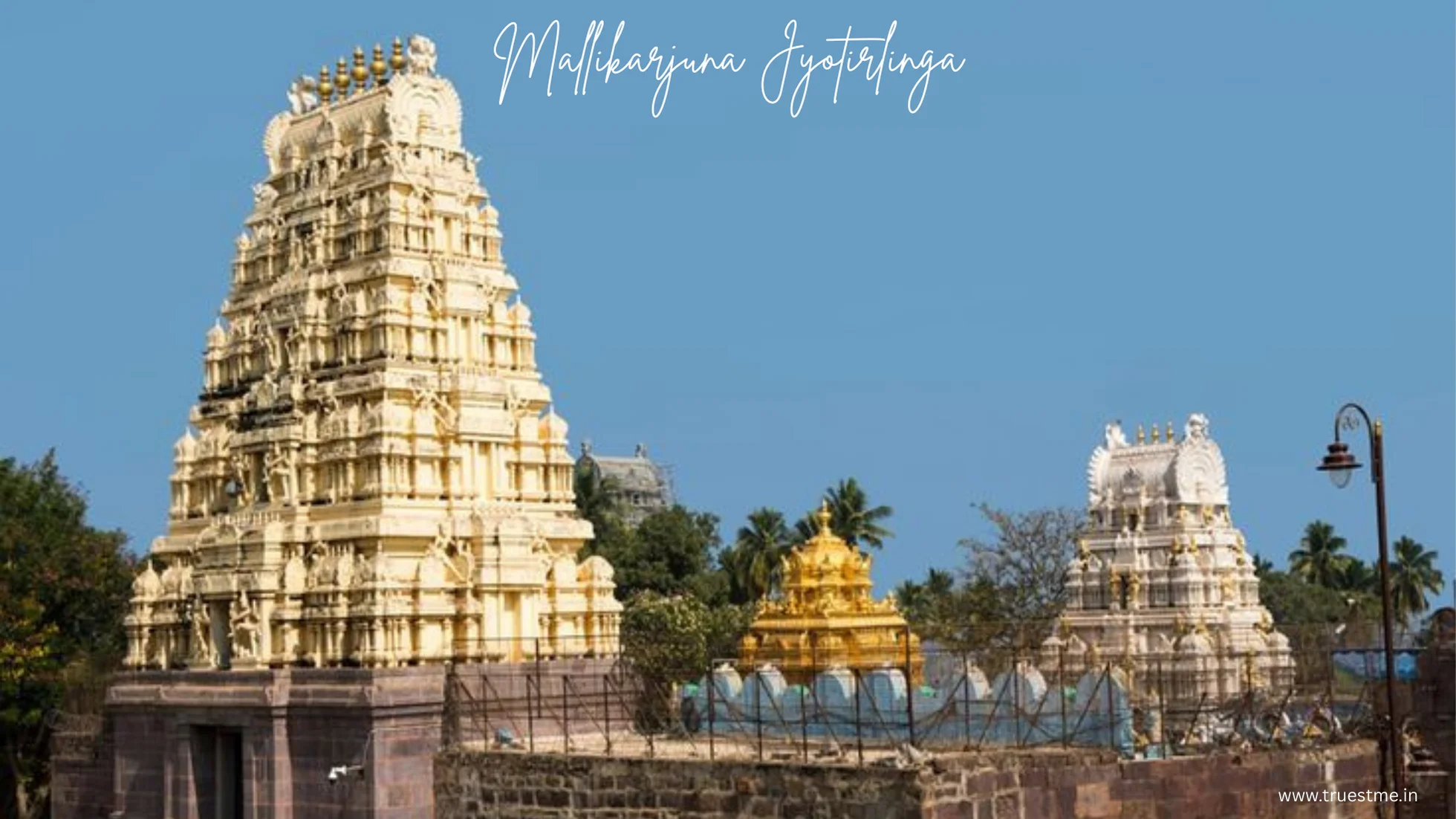
Nestled deep within the dense Nallamala Hills of Andhra Pradesh, the revered Srisailam Temple stands as one of the holiest pilgrimage destinations in Hinduism. This sacred shrine is home to the Mallikarjuna Jyotirlinga, one of the twelve Jyotirlingas of Lord Shiva, and is uniquely significant because it is also a Shakti Peetha dedicated to Goddess Bhramaramba.
Situated on the banks of the holy Krishna River and surrounded by thick forests, spiritual silence, and ancient legends, Srisailam is not merely a temple but a powerful spiritual center where devotees experience divine energy, devotion, and inner transformation. The pilgrimage to Mallikarjuna Jyotirlinga is believed to grant spiritual liberation (moksha), remove karmic burdens, and bring divine blessings from both Lord Shiva and Goddess Parvati.
Mythological Significance of Mallikarjuna Jyotirlinga
The spiritual roots of Mallikarjuna Jyotirlinga are deeply embedded in ancient Hindu scriptures, particularly the Shiva Purana and Skanda Purana. According to sacred legend, Lord Shiva and Goddess Parvati manifested here to console their son Kartikeya, who moved to the Krauncha mountain (identified with Srisailam) after a divine disagreement with Lord Ganesha.
To remain close to their son, Shiva appeared as Mallikarjuna and Parvati as Bhramaramba, establishing this sacred site as a divine family abode. The name “Mallikarjuna” itself carries deep symbolism:
- Mallika – Goddess Parvati
- Arjuna – Lord Shiva
Another legend narrates that worship at this Jyotirlinga is equivalent to visiting all other Jyotirlingas due to the combined presence of Shiva and Shakti, making it exceptionally powerful among sacred shrines.
Historical Background and Temple Legacy
The Mallikarjuna Temple is one of the oldest continuously worshipped temples in India, with historical references dating back over 1,500 years. The temple flourished under several powerful dynasties including:
- Satavahanas
- Ikshvakus
- Chalukyas
- Kakatiyas
- Vijayanagara Empire
Ancient inscriptions and temple architecture indicate that Srisailam was a major center of Shaivism and Shakti worship in South India. Many saints, including Adi Shankaracharya, are believed to have visited this sacred shrine and praised its spiritual significance in devotional texts.
During the Vijayanagara period, the temple received extensive architectural enhancements, including grand mandapams, gopurams, and sculptural carvings that still stand today as symbols of devotion and artistic excellence.
Geographical and Spiritual Setting of Srisailam
Mallikarjuna Jyotirlinga is located in the Nandyal district of Andhra Pradesh within the Nallamala forest range, a region known for its biodiversity and serene environment. The temple overlooks the sacred Krishna River and lies close to the magnificent Srisailam Dam, enhancing both its spiritual and scenic value.
Key Geographical Highlights:
- Elevation: Approx. 457 meters above sea level
- Surrounded by Nallamala Forest
- Located near Krishna River valley
- Protected under a tiger reserve region
The spiritual environment created by dense forests, hills, and sacred river flow contributes to the temple’s mystical aura and meditative atmosphere.
Temple Architecture and Sacred Complex
The temple showcases classic Dravidian architectural style with massive gopurams (tower gateways), intricately carved pillars, and spacious courtyards designed for large pilgrim gatherings.
Major Structural Highlights:
- Garbhagriha (Sanctum) housing the sacred Jyotirlinga
- Shrine of Bhramaramba Devi Temple (one of the 18 Maha Shakti Peethas)
- Mukha Mandapa and Nandi Mandapa
- Temple corridors with mythological carvings
Unlike many Jyotirlinga temples, devotees at Srisailam are allowed close darshan and, in certain sevas, even direct Abhishekam to the Jyotirlinga, creating a deeply personal spiritual experience.
Spiritual Importance Among the 12 Jyotirlingas
Mallikarjuna is considered the second Jyotirlinga among the twelve sacred Jyotirlingas of Lord Shiva. Its spiritual importance is elevated due to the rare presence of both Shiva (Mallikarjuna) and Shakti (Bhramaramba) in one temple complex.
Spiritual Beliefs:
- Darshan here destroys accumulated karmas
- Worship grants peace, prosperity, and liberation
- Pilgrimage equals the merit of visiting multiple holy shrines
- Highly powerful for devotees seeking moksha and spiritual growth
Many spiritual scholars regard Srisailam as a Siddha Kshetra, meaning a place where divine energy is constantly active.
Daily Rituals, Sevas, and Worship Practices
The temple follows strict Agama Shastra traditions with elaborate daily rituals performed by trained priests.
Important Daily Rituals:
- Suprabhata Seva (early morning awakening of the deity)
- Abhishekam with milk, honey, curd, and sacred water
- Rudrabhishekam (most powerful Shiva ritual)
- Sahasranama Archana
- Maha Mangala Aarti
Devotees can book special sevas online or at the temple counters for personalized worship experiences.
Major Festivals Celebrated at Mallikarjuna Temple
Mahashivratri
The grandest festival celebrated with night-long prayers, special abhishekams, and lakhs of devotees visiting the temple.
Karthika Masam
A highly sacred month dedicated to Lord Shiva with deepam lighting, special pujas, and spiritual gatherings.
Navratri Festival
Celebrated in honor of Goddess Bhramaramba with cultural programs, rituals, and temple decorations.
Brahmotsavam
An annual festival featuring grand processions, chariot ceremonies, and Vedic rituals that reflect ancient temple traditions.
Pilgrimage Experience and Darshan Process
The pilgrimage to Srisailam is spiritually immersive and well-organized for devotees.
Darshan Types:
- Free Darshan (Sarva Darshan)
- Special Darshan Tickets
- Seva Darshan (with rituals)
Temple Timings (Approx):
- Opening: Early Morning (around 4:30 AM)
- Closing: Late Evening after final Aarti
Pilgrims are advised to arrive early, especially during festival seasons, to avoid long waiting times.
Best Time to Visit Mallikarjuna Jyotirlinga
The ideal time to visit Srisailam is between October and March due to pleasant weather and comfortable travel conditions.
Seasonal Overview:
- Winter: Best for pilgrimage and sightseeing
- Summer: Hot but manageable with early darshan
- Monsoon: Scenic greenery but slippery ghat roads
Festival periods like Mahashivratri and Karthika Masam offer intense spiritual energy but attract heavy crowds.
Accommodation and Facilities for Pilgrims
Srisailam provides excellent facilities for pilgrims including:
- Devasthanam cottages and guest houses
- Budget lodges and private hotels
- Dormitories for group pilgrims
- Free Anna Prasadam (community meals)
- Cloakrooms and queue complexes
Online booking facilities are available for accommodation and darshan, making the pilgrimage more convenient.
Nearby Sacred and Tourist Attractions
Pathala Ganga
Pathala Ganga is a sacred bathing ghat on the Krishna River, accessible via steps and ropeway. Taking a holy dip here is considered spiritually purifying before temple darshan.
Akkamahadevi Caves
A revered meditation site associated with the saint Akkamahadevi, located amidst scenic natural surroundings.
Nallamala Forest
A vast forest region rich in wildlife, biodiversity, and spiritual solitude, enhancing the sacred aura of the pilgrimage.
Travel Guide: How to Reach Srisailam
By Air
Nearest Airport: Hyderabad (Rajiv Gandhi International Airport)
By Train
Nearest Railway Stations:
- Markapur Road
- Kurnool
By Road
Srisailam is well connected via road from Hyderabad (approx. 215 km). The ghat road journey through Nallamala forest is scenic and spiritually calming.
Essential Travel and Darshan Tips
- Wear traditional and modest attire
- Avoid peak rush hours for faster darshan
- Carry water, medicines, and light snacks
- Follow temple rules and security guidelines
- Book sevas and accommodation in advance
- Drive carefully on forest ghat roads
Cultural and Devotional Atmosphere of Srisailam
Srisailam is not just a pilgrimage destination but a living center of devotion, Vedic traditions, and temple culture. The chants of “Om Namah Shivaya,” temple bells, incense fragrance, and continuous rituals create a deeply meditative environment.
Local traditions emphasize simplicity, devotion, and hospitality, offering pilgrims a spiritually enriching cultural experience rooted in centuries-old practices.
Conclusion: A Supreme Jyotirlinga of Liberation and Divine Energy
The Mallikarjuna Jyotirlinga at Srisailam is a rare and powerful confluence of Shiva and Shakti, making it one of the most sacred pilgrimage sites in India. With its ancient mythology, historical legacy, divine rituals, and serene natural setting in the Nallamala Hills, the temple offers a deeply transformative spiritual journey.
For devotees, seekers, and spiritual travelers alike, visiting Mallikarjuna Jyotirlinga is not merely a temple visit but a sacred path toward inner peace, divine blessings, and ultimate spiritual awakening.