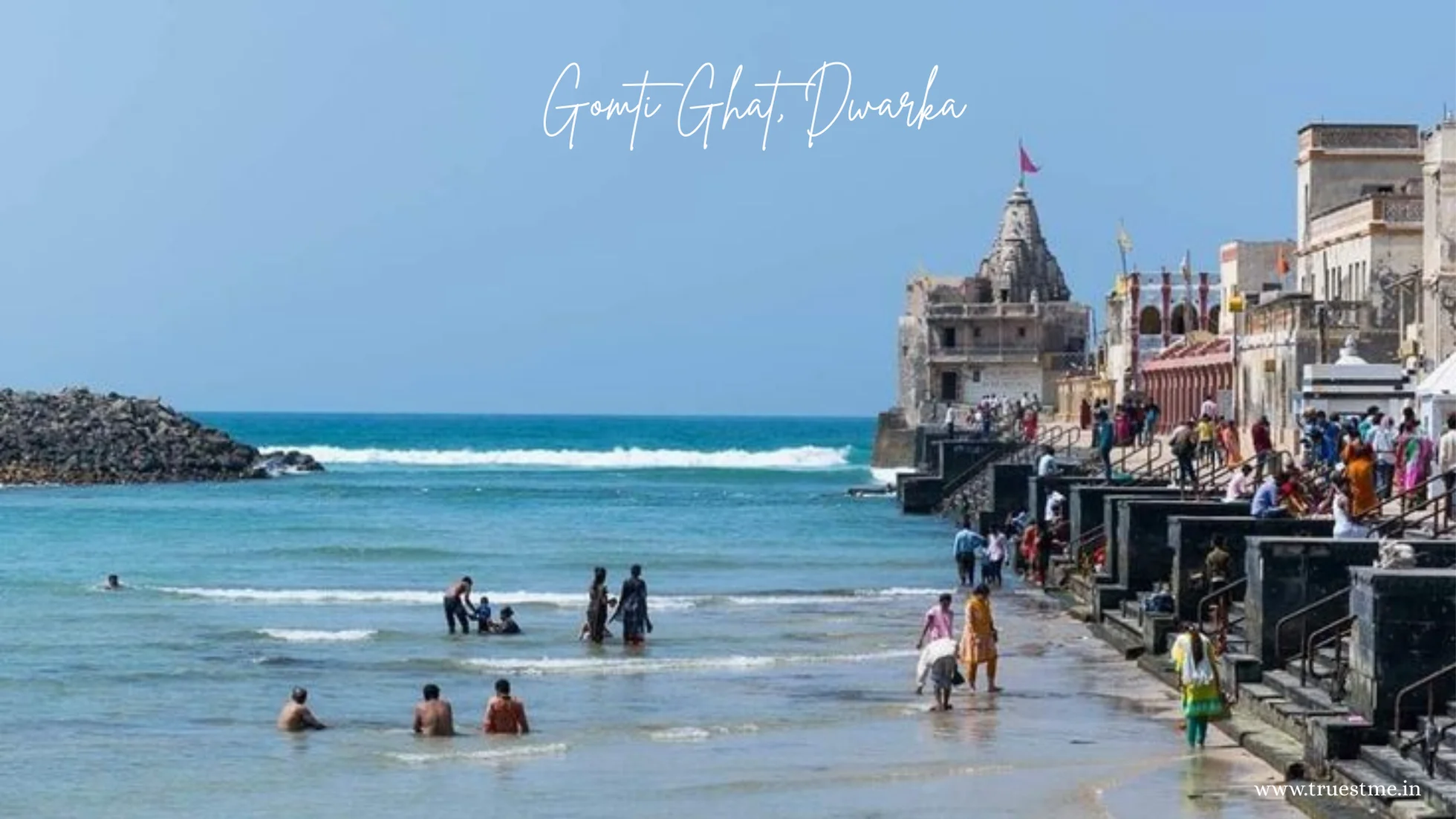
Gomti Ghat is one of the most spiritually significant ghats in Dwarka. Nestled along the sacred Gomti River, this riverside sanctuary offers devotees a serene space for performing holy rituals, taking purifying dips, and connecting deeply with divine energy. While Dwarka is widely known for its grand temples like Dwarkadhish Temple, the ghats of the city, especially Gomti Ghat, provide a more intimate and immersive spiritual experience.
The ghat is not just a religious site; it embodies centuries of devotion, local traditions, and Vaishnavite practices, making it a crucial destination for pilgrims seeking both spiritual purification and cultural enrichment.
Mythological Significance of Gomti Ghat
The Gomti River is regarded as sacred in Hinduism, believed to possess purifying and protective qualities. Gomti Ghat holds special importance in Vaishnavite traditions because it is associated with Lord Krishna and his divine presence in Dwarka.
Key Legends and Spiritual Beliefs:
Devotees believe that a holy dip in the Gomti River washes away sins and negative karma.
The ghat is considered a place where devotees can attain spiritual merit and divine blessings.
Historical texts and local traditions mention that Krishna and his associates frequented the riverbanks, sanctifying the area with divine energy.
The ghat thus serves as both a site for personal devotion and a communal space for spiritual practices, bridging mythology with living religious traditions.
Historical Background of Gomti Ghat
Gomti Ghat has existed for centuries as an integral part of Dwarka’s religious landscape. While its exact construction date is unknown, records indicate that the ghat has long served as a hub for religious rituals, cultural gatherings, and pilgrim activities.
Over time, the ghat has been maintained and renovated, preserving its sacred status while accommodating growing numbers of visitors. Its enduring significance highlights Dwarka’s historical role as a major center of Krishna worship and Vaishnavite culture.
Architectural Features and Surroundings
Gomti Ghat is designed for ritual use and spiritual engagement rather than ornamental grandeur, but it holds architectural and cultural charm in its simplicity.
Key Features:
Wide stone steps (ghats) leading to the river, facilitating holy dips and rituals.
Small shrines and temples along the riverbank dedicated to Lord Krishna and other deities.
Open spaces for meditation, prayers, and community gatherings.
Natural scenic surroundings, including views of the flowing river, riverbank flora, and early morning mist, which enhance the devotional atmosphere.
The design emphasizes functionality and devotion, creating a harmonious environment where pilgrims can fully immerse in spiritual practices.
Religious Activities and Spiritual Practices
The ghat serves as a continuous hub of religious life in Dwarka. Activities here include:
Morning Aarti: Devotees gather for sunrise prayers and chanting, creating a spiritually charged start to the day.
Evening Aarti: Lamps are lit on the river, devotional music fills the air, and rituals offer an immersive spiritual experience.
Holy Dips: Taking a dip in the Gomti River is considered an essential act for cleansing sins and attaining spiritual merit.
Offerings & Pujas: Devotees perform rituals with flowers, incense, water, and prasad, seeking divine blessings.
Community Events: On festival days, the ghat becomes a gathering space for collective prayer, bhajans, and cultural celebrations.
These activities reinforce the ghat’s status as a vibrant center of faith and communal devotion.
Festivals and Celebrations at Gomti Ghat
Gomti Ghat hosts numerous religious festivals, reflecting Dwarka’s rich Vaishnavite culture:
Janmashtami: Marks the birth of Lord Krishna, celebrated with night-long prayers, bhajans, and devotional performances.
Diwali: Devotees light lamps along the ghat, creating a spectacular scene as reflections shimmer across the river.
Other Local Festivals: Various ritual observances and processions occur throughout the year, enhancing the spiritual and cultural vitality of the ghat.
Festivals are the best time to experience the ghat’s energy, devotion, and community engagement.
Best Time to Visit Gomti Ghat
The optimal period to visit is October to March, when weather conditions are comfortable and ideal for both rituals and sightseeing.
Early Morning: Offers a tranquil atmosphere, ideal for meditation and witnessing sunrise aarti.
Evening: Perfect for observing evening aarti and spiritual rituals.
Festivals: Visiting during Janmashtami or Diwali provides a unique opportunity to experience the ghat’s festive and devotional vibrancy.
How to Reach Gomti Ghat
By Air
The nearest airport is Jamnagar Airport, approximately 130 km from Dwarka, with connections to Ahmedabad, Mumbai, and other major cities.
By Train
Dwarka Railway Station is the closest railhead, connecting pilgrims to key cities like Ahmedabad, Rajkot, and Surat.
By Road
Gomti Ghat is easily accessible within Dwarka city via taxis, auto-rickshaws, and buses. It is conveniently located near major pilgrimage sites like Dwarkadhish Temple, making it part of a complete devotional itinerary.
Nearby Attractions
Dwarkadhish Temple – The grand Krishna temple and central pilgrimage point.
Bet Dwarka – The sacred island residence of Lord Krishna.
Rukmini Devi Temple – Temple dedicated to Krishna’s consort, Rukmini.
These nearby sites allow pilgrims to combine their visit with a complete Dwarka pilgrimage experience.
Travel Tips for Pilgrims and Tourists
Visit early morning or evening to avoid crowds.
Dress modestly and adhere to temple etiquette.
Carry water and light snacks, especially for long visits.
Avoid plastic and maintain cleanliness around the ghat.
Participate in morning or evening aarti for a fully immersive experience.
Combine visits with nearby temples for a holistic pilgrimage journey.
Why Gomti Ghat is a Must-Visit in Dwarka
Gomti Ghat is more than a riverside location—it is a sacred center of devotion, spirituality, and cultural heritage. Its mythological significance, historical relevance, architectural simplicity, and scenic environment make it a unique destination for pilgrims and travelers alike.
For devotees, performing rituals and taking holy dips at Gomti Ghat is believed to cleanse sins, purify the soul, and grant divine blessings. For tourists, the ghat provides a window into Dwarka’s spiritual life, offering a peaceful and culturally rich experience that complements visits to the city’s major temples.
By visiting Gomti Ghat, one experiences a harmonious blend of faith, tradition, and natural serenity, making it an indispensable part of any Dwarka pilgrimage.