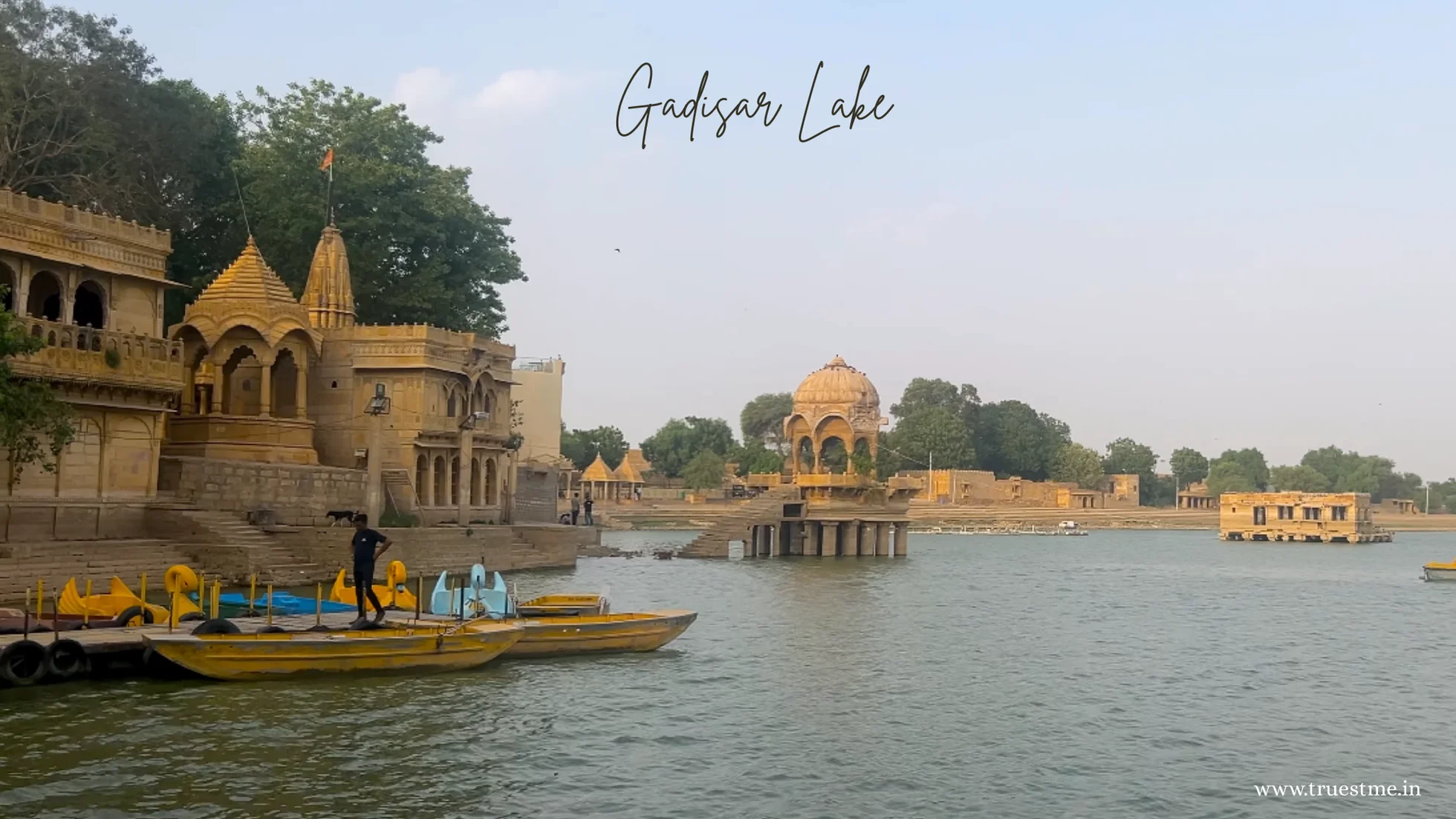
Amid the golden sands and grand forts of Rajasthan lies a serene water body that has been the lifeline of a desert city for centuries. Gadisar Lake is not just a scenic attraction but a historic reservoir that once served as the primary water source for the people of Jaisalmer. Surrounded by temples, ghats, shrines, and intricately carved chhatris, the lake beautifully reflects the architectural elegance and cultural depth of the Golden City.
This tranquil oasis offers more than just picturesque views—it tells stories of royal foresight, spiritual devotion, and sustainable water management in the harsh Thar Desert. Whether you are a history lover, photographer, or peace seeker, Gadisar Lake provides a unique experience that blends heritage with natural beauty.
Historical Background of Gadisar Lake
Gadisar Lake was originally constructed in the 14th century by Maharawal Gadsi Singh, the ruler of Jaisalmer. In a desert region where water scarcity was a constant challenge, the lake was designed as a rainwater conservation reservoir to ensure a steady water supply for the city.
Before modern water systems were introduced, this lake played a crucial role in sustaining life in Jaisalmer. People depended on it for drinking water, daily activities, and religious rituals. Its strategic importance made it one of the most valuable structures in the region during medieval times.
Interestingly, the lake was later redeveloped and beautified by various royal patrons and wealthy merchants, which is why the area around the lake is adorned with temples, gateways, and cenotaphs that showcase different architectural styles.
Architectural Beauty and Surroundings
One of the most striking features of Gadisar Lake is its grand entrance gate known as Tilon Ki Pol. This beautifully carved sandstone gateway was built by a royal courtesan named Tilon and still stands as a symbol of artistic excellence.
Around the lake, visitors will find:
- Ornate temples dedicated to Hindu deities
- Elegant chhatris (cenotaphs)
- Stone ghats used for rituals and ceremonies
- Small shrines and heritage pavilions
The golden sandstone structures reflect sunlight and create a mesmerizing visual harmony with the water, especially during sunrise and sunset. The reflection of temples and chhatris in the calm lake water makes it a paradise for photographers and architecture enthusiasts.
Cultural and Religious Significance
Gadisar Lake holds deep spiritual importance for locals and pilgrims. Several temples around the lake attract devotees throughout the year, especially during festivals and auspicious occasions.
Historically, the lake ghats were used for religious rituals, community gatherings, and traditional ceremonies. Even today, locals visit the lake for prayer, meditation, and cultural events. The presence of ancient shrines and temples adds a sacred aura to the entire surroundings.
During festivals, the lake area becomes vibrant with devotional activities, folk music, and traditional Rajasthani culture.
Boating Experience at Gadisar Lake
Boating is one of the most popular activities at Gadisar Lake. Visitors can enjoy paddle boats and rowboats while admiring the surrounding architecture and peaceful atmosphere.
As you glide across the water, you can witness:
- Migratory birds during winter
- Reflections of historic structures
- Scenic views of the desert landscape
- Calm and refreshing ambiance
The boating experience here is not overly commercialized, which makes it perfect for travelers looking for a quiet and relaxing outing in Jaisalmer.
Best Time to Visit Gadisar Lake
The ideal time to visit Gadisar Lake is between October and March when the weather in Rajasthan remains pleasant and suitable for sightseeing. Winter months also attract migratory birds, enhancing the natural charm of the lake.
Early morning and sunset are considered the best times to visit because:
- The lighting is perfect for photography
- The crowd is relatively less
- The temperature is comfortable
- The lake looks most picturesque during golden hours
Summers in Jaisalmer can be extremely hot, so midday visits should be avoided.
Entry Fee, Timings, and Location
- Location: Near the main city area of Jaisalmer
- Entry Fee: Free (Boating charges extra)
- Timings: Open from early morning to evening
- Boating Timings: Usually 8:00 AM to 6:00 PM (may vary seasonally)
The lake is easily accessible from major attractions including Jaisalmer Fort, making it a convenient stop in any Jaisalmer itinerary.
Nearby Attractions to Explore
1. Jaisalmer Fort (Sonar Quila)
Located just a short distance from the lake, this UNESCO-listed living fort is one of the largest forts in the world and offers breathtaking panoramic views of the city.
2. Patwon Ki Haveli
Patwon Ki Haveli is a cluster of five havelis known for their intricate carvings and rich merchant history.
3. Desert National Park
A perfect destination for nature lovers who want to explore the unique ecosystem of the Thar Desert and spot rare wildlife species.
Travel Tips for Visitors
- Visit early morning for a peaceful experience
- Carry water and sunscreen, especially in warmer months
- Wear comfortable footwear for walking around the ghats
- Respect religious sites and local traditions
- Keep your camera ready for stunning reflections and bird photography
Why Gadisar Lake is a Must-Visit in Jaisalmer
Unlike the bustling forts and crowded markets, Gadisar Lake offers a calm retreat where history, spirituality, and nature coexist beautifully. Its historical significance as a life-sustaining reservoir, combined with its architectural elegance and cultural importance, makes it one of the most meaningful places to visit in the Golden City.
Whether you want to enjoy a peaceful boat ride, admire Rajasthani architecture, explore heritage temples, or simply relax by the water in the middle of the desert, Gadisar Lake delivers a memorable and enriching travel experience that perfectly captures the soul of Jaisalmer.