Believed to be more than 2,000 years old, the temple is deeply connected with the Mahabharata, ancient Hindu scriptures, and the legendary city of Dwarka (Dwarkadhish Temple Gujarat), where Lord Krishna ruled after leaving Mathura. It is also one of the Char Dham pilgrimage sites established by Adi Shankaracharya, making it one of the holiest destinations for Hindus.
Standing majestically on the western coast of Gujarat, where the sacred Gomti River meets the Arabian Sea, Dwarkadhish Temple Gujarat is one of India's most revered Hindu pilgrimage sites. Dedicated to Lord Krishna, who is worshipped here as the King of Dwarka (Dwarkadhish), the temple attracts millions of devotees, spiritual seekers, and tourists every year.
Whether you are planning a pilgrimage, exploring India's rich cultural heritage, or simply looking for a peaceful coastal destination, Dwarkadhish Temple offers a unique blend of history, spirituality, mythology, architecture, and devotion.
In this complete travel guide, you'll discover everything about Dwarkadhish Temple Gujarat, including its fascinating history, darshan timings, rituals, architecture, travel tips, nearby attractions, and frequently asked questions.
What Makes Dwarkadhish Temple So Famous?
Many people ask:
Why is Dwarkadhish Temple famous?
Dwarkadhish Temple Gujarat is famous because it is believed to stand in the legendary kingdom established by Lord Krishna after leaving Mathura. It is one of the four sacred Char Dham pilgrimage sites, one of the Sapta Puri (seven holy cities), and among the most significant temples dedicated to Lord Krishna in India.
The temple is especially known for:
- Being one of the Char Dham pilgrimage destinations.
- Worshipping Lord Krishna as Dwarkadhish (King of Dwarka).
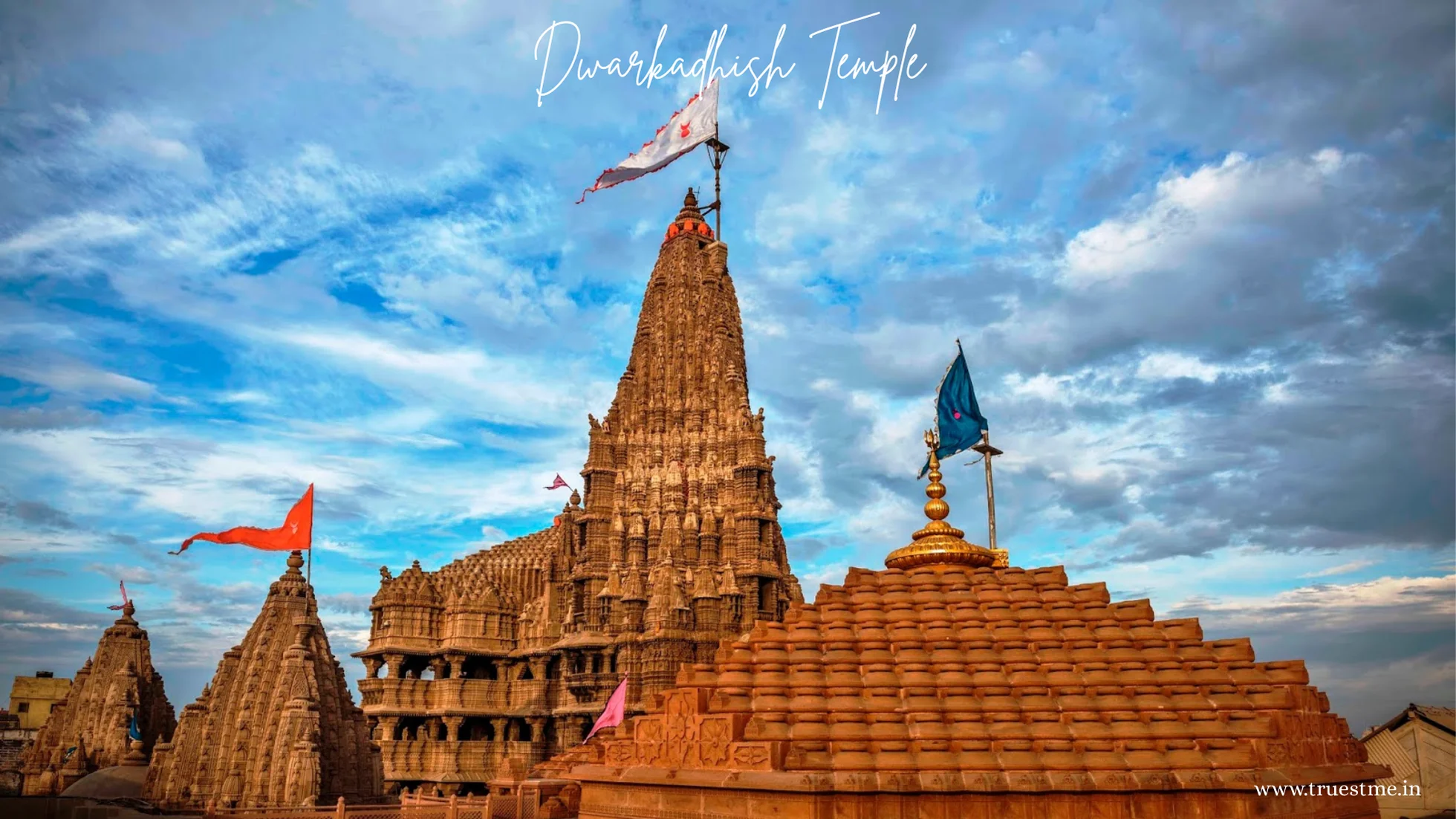
- Its magnificent 78-meter-high Shikhara.
- The sacred temple flag that is changed several times every day.
- Ancient connections with the Mahabharata and Bhagavata Purana.
- Marine archaeological discoveries near the submerged city of Dwarka.
- Beautiful location beside the Arabian Sea.
For devotees, visiting this temple is considered a spiritually rewarding experience that symbolizes devotion, peace, and liberation.
Mythological History of Dwarkadhish Temple Gujarat
The story of Dwarkadhish Temple begins with one of the greatest legends in Hindu mythology.
According to the Mahabharata, after repeatedly facing attacks by King Jarasandha in Mathura, Lord Krishna decided to relocate his kingdom to a safer location on India's western coast.
Using divine powers, Lord Krishna established the magnificent city of Dwarka, which was described as:
- A prosperous golden city
- Protected by the Arabian Sea
- Filled with beautiful palaces
- Well-planned streets
- Magnificent temples
- Advanced architecture far ahead of its time
From this sacred city, Lord Krishna ruled as Dwarkadhish, meaning "The King of Dwarka."
Ancient scriptures describe Dwarka as one of the richest and most beautiful cities ever built.
The Mystery of the Lost City
One of the most fascinating aspects of Dwarka is the belief that after Lord Krishna left the earthly world, the magnificent city gradually submerged into the sea.
Interestingly, underwater archaeological explorations conducted near the coast of modern Dwarka have uncovered ancient stone structures, anchors, and other remains. While historians continue to study these findings, they have added to the mystery and global interest surrounding the legendary city.
This unique blend of mythology and archaeology makes Dwarkadhish Temple Gujarat one of India's most intriguing spiritual destinations.
Historical Background of Dwarkadhish Temple
While mythology tells the divine story of Dwarka, historians believe that the present-day temple has evolved over many centuries.
According to traditional beliefs, the original shrine was constructed by Vajranabha, the great-grandson of Lord Krishna, to preserve the memory of Krishna's royal kingdom.
Over time, the temple experienced natural aging, invasions, and rebuilding efforts. Different rulers and devotees contributed to its preservation, allowing it to remain one of India's most important pilgrimage centers.
The temple gained even greater prominence during the 8th century when Adi Shankaracharya revitalized Hindu pilgrimage traditions and recognized Dwarka as one of the four sacred Char Dham pilgrimage sites.
Today, the temple stands not only as a place of worship but also as a remarkable symbol of India's cultural continuity and spiritual heritage.
Architecture of Dwarkadhish Temple
One of the most impressive aspects of Dwarkadhish Temple Gujarat is its breathtaking architecture.
Built in the traditional Chalukya architectural style, also known as the Kailash Mahameru Prasad style, the temple showcases exceptional craftsmanship that has survived for centuries.
Architectural Highlights
- Approximately 78 meters tall
- Five-storey structure
- Supported by 72 intricately carved stone pillars
- Constructed using limestone and sandstone
- Massive pyramidal Shikhara visible from several kilometers away
- Beautiful carvings inspired by ancient Hindu architecture
Every section of the temple reflects extraordinary attention to detail, from its pillars and sculptures to its decorative ceilings.
Swarg Dwar & Moksha Dwar
The temple has two important entrances that carry deep spiritual symbolism.
Swarg Dwar (Gate of Heaven)
This is the main entrance through which devotees enter the temple to seek the blessings of Lord Krishna.
A flight of around 56 stone steps connects devotees from the sacred Gomti Ghat to the temple entrance.
Moksha Dwar (Gate of Liberation)
After completing darshan, devotees traditionally exit through Moksha Dwar, symbolizing freedom from worldly attachments and the spiritual journey toward liberation.
The Sacred Temple Flag (Dhwaja Tradition)
One of the most unique traditions of Dwarkadhish Temple Gujarat is its magnificent temple flag.
Unlike most temples, the sacred flag here is changed multiple times every day.
Thousands of devotees sponsor this ritual every year because offering the temple flag is believed to bring prosperity, blessings, and spiritual merit.
The flag always displays the symbols of the Sun and the Moon, representing the eternal presence of Lord Krishna.
Watching the flag-changing ceremony is considered one of the most memorable experiences during a visit to Dwarkadhish Temple.
Interesting Facts About Dwarkadhish Temple
Here are some fascinating facts that many visitors don't know:
- The temple is believed to be over 2,000 years old.
- It is one of the Char Dham pilgrimage sites in India.
- Lord Krishna is worshipped here as a king rather than as a child.
- The temple flag is changed several times daily.
- The main idol is carved from beautiful black stone.
- Dwarka is one of the Sapta Puri, the seven sacred cities believed to grant spiritual liberation.
- Marine archaeological discoveries near Dwarka continue to attract researchers from around the world.
Why Millions of Devotees Visit Every Year
For millions of devotees, Dwarkadhish Temple Gujarat is far more than an ancient monument—it is a living center of faith where mythology, history, and devotion come together.
From the rhythmic sound of temple bells and Vedic chants to the sight of the towering temple flag fluttering against the Arabian Sea, every moment here offers a deeply spiritual experience. Many visitors describe their first darshan of Lord Krishna as peaceful, emotional, and unforgettable.
Whether you come as a pilgrim, history enthusiast, or traveler, the temple leaves a lasting impression through its timeless traditions, remarkable architecture, and profound spiritual atmosphere.
Religious Significance of Dwarkadhish Temple Gujarat
Dwarkadhish Temple is not only one of India's most visited Krishna temples but also one of the holiest pilgrimage destinations in Hinduism. Every year, millions of devotees visit this sacred shrine to seek the blessings of Lord Krishna, worshipped here as Dwarkadhish, the King of Dwarka.
The temple represents devotion, righteousness, and spiritual liberation. According to Hindu beliefs, a pilgrimage to Dwarkadhish Temple helps devotees strengthen their faith and move closer to Moksha (salvation).
Dwarkadhish Temple and the Char Dham Yatra
One of the biggest reasons behind the temple's importance is that it is one of the Char Dham pilgrimage sites established by Adi Shankaracharya.
The Char Dham includes:
- Badrinath (North)
- Jagannath Puri (East)
- Rameswaram (South)
- Dwarkadhish Temple, Dwarka (West)
According to Hindu tradition, completing the Char Dham Yatra is believed to cleanse one's sins and guide the soul toward spiritual liberation.
Dwarka represents the western direction and symbolizes the divine kingdom of Lord Krishna.
Importance in Vaishnavism
Dwarkadhish Temple is one of the most important pilgrimage sites for followers of Vaishnavism, one of the major traditions of Hinduism dedicated to Lord Vishnu and his incarnations.
Since Lord Krishna is considered the eighth incarnation of Lord Vishnu, devotees from across India and around the world visit the temple to express their devotion.
Daily prayers, Vedic chanting, devotional music, and ancient rituals continue to preserve centuries-old traditions.
Daily Darshan Timings of Dwarkadhish Temple
Planning your visit according to the temple schedule helps you enjoy a peaceful darshan.
| Darshan | Time |
| Morning | 6:30 AM – 1:00 PM |
| Evening | 5:00 PM – 9:30 PM |
Note: Timings may change during festivals and special religious occasions. It's always advisable to confirm the latest schedule before your visit.
Temple Rituals & Spiritual Atmosphere
One of the most unforgettable experiences at Dwarkadhish Temple Gujarat is witnessing the disciplined daily rituals.
Visitors experience:
- Continuous chanting of Krishna bhajans
- Sacred Vedic mantras
- Traditional temple music
- Ringing temple bells
- Fragrant incense
- Peaceful devotional atmosphere
- Priests performing rituals with great devotion
These centuries-old traditions create a spiritual environment that leaves a lasting impression on every visitor.
Major Festivals Celebrated at Dwarkadhish Temple
The temple celebrates several Hindu festivals with great enthusiasm. During these occasions, thousands of devotees gather to participate in special prayers and celebrations.
1. Janmashtami – The Grand Celebration
Janmashtami is the biggest and most important festival celebrated at Dwarkadhish Temple.
Since the temple is dedicated to Lord Krishna, his birth anniversary attracts lakhs of devotees from across India.
Highlights include:
- Beautiful floral decorations
- Midnight celebrations
- Krishna bhajans
- Special darshan
- Temple illumination
- Cultural performances
- Devotional processions
The atmosphere during Janmashtami is truly unforgettable.
2. Annakut Festival
Celebrated after Diwali, Annakut is another major festival where hundreds of varieties of food are offered to Lord Krishna.
The grand offering symbolizes gratitude, prosperity, and divine blessings.
3. Holi Festival
Holi at Dwarkadhish Temple is celebrated with devotional songs, colorful decorations, and spiritual gatherings that reflect the joyful nature of Lord Krishna.
4. Diwali
During Diwali, the temple is illuminated with thousands of lamps, creating a breathtaking spiritual atmosphere.
Special prayers and ceremonies are organized throughout the festival.
Best Time to Visit Dwarkadhish Temple Gujarat
Although the temple remains open throughout the year, some seasons offer a better travel experience.
Winter (October – March) Recommended best time to visit.
This is considered the best time to visit.
Temperature remains pleasant, making sightseeing and darshan comfortable.
Ideal for:
- Pilgrimage
- Photography
- Temple exploration
- Family trips
- Senior citizens
Summer (April – June)
Summers in Gujarat can be quite hot.
If visiting during this season:
- Plan darshan early in the morning.
- Stay hydrated.
- Wear light cotton clothes.
- Avoid afternoon sightseeing.
Monsoon (July – September)
Monsoon transforms Dwarka into a beautiful coastal destination.
Although occasional rainfall may affect travel plans, the surroundings become lush and scenic.
How to Reach Dwarkadhish Temple
Dwarka is well connected by air, rail, and road.
By Air
The nearest airport is:
Jamnagar Airport
Distance: Approximately 130 km
From the airport, taxis and buses are easily available.
By Train
Dwarka Railway Station is well connected with:
- Ahmedabad
- Rajkot
- Surat
- Vadodara
- Mumbai
- Delhi
Regular trains make the journey convenient for pilgrims.
By Road
Dwarka has excellent road connectivity through Gujarat's highway network.
You can easily reach via:
- Ahmedabad
- Rajkot
- Jamnagar
- Somnath
- Porbandar
Private taxis, state transport buses, and self-drive vehicles are popular travel options.
Nearby Places to Visit in Dwarka
A visit to Dwarkadhish Temple is incomplete without exploring the nearby sacred attractions.
1. Bet Dwarka
Located on an island in the Arabian Sea, Bet Dwarka is believed to be the original residence of Lord Krishna.
Visitors reach the island via a short ferry ride, making it one of the most memorable experiences in Dwarka.
2. Rukmini Devi Temple
Dedicated to Goddess Rukmini, this ancient temple showcases beautiful carvings and fascinating legends associated with Lord Krishna's queen.
3. Gomti Ghat
Situated beside the temple, Gomti Ghat is considered highly sacred.
Many pilgrims take a holy dip before entering Dwarkadhish Temple.
The sunrise and sunset views here are spectacular.
4. Nageshwar Jyotirlinga
Located around 15 km from Dwarka, Nageshwar is one of the twelve sacred Jyotirlingas dedicated to Lord Shiva.
Many pilgrims combine visits to both temples on the same day.
5. Sudama Setu
This pedestrian bridge over the Gomti River offers beautiful panoramic views of Dwarkadhish Temple and the surrounding coastline.
It is especially popular during sunrise and sunset.
Accommodation Near Dwarkadhish Temple
Visitors can choose from a variety of accommodation options.
Budget Options
- Dharamshalas managed by temple trusts
- Affordable guest houses
- Budget hotels
Mid-Range Hotels
Perfect for families looking for comfort and convenience.
Luxury Hotels
Several premium hotels near the coastline provide excellent facilities, sea views, and easy access to the temple.
Food Options
Dwarka is well known for its pure vegetarian cuisine.
Popular dishes include:
- Gujarati Thali
- Fafda
- Dhokla
- Thepla
- Khichdi
- Fresh sweets
- Temple Prasad
Most restaurants near the temple serve hygienic vegetarian meals suitable for pilgrims.
Visitor Tips for a Smooth Darshan
To make your visit comfortable and respectful, keep these practical tips in mind:
- Arrive at least 30–45 minutes early, especially on weekends and festivals.
- Wear modest and comfortable clothing suitable for a place of worship.
- Footwear must be removed before entering the temple.
- Keep your mobile phone on silent mode and follow photography restrictions inside the temple.
- Carry a reusable water bottle, particularly during the summer months.
- Respect queue systems and temple staff instructions for a smooth darshan.
- Keep some cash handy for donations, prasad, or local transport.
Frequently Asked Questions (FAQs) About Dwarkadhish Temple Gujarat
1. Why is Dwarkadhish Temple Gujarat famous?
Dwarkadhish Temple Gujarat is famous as one of the Char Dham pilgrimage sites and one of the most sacred temples dedicated to Lord Krishna. It is believed to be located in the legendary kingdom of Dwarka, where Lord Krishna ruled after leaving Mathura.
2. What are the darshan timings of Dwarkadhish Temple?
The general darshan timings are:
- Morning: 6:30 AM – 1:00 PM
- Evening: 5:00 PM – 9:30 PM
Timings may change during festivals and special occasions.
3. Which is the best time to visit Dwarkadhish Temple Gujarat?
The ideal time to visit is between October and March, when the weather is pleasant for sightseeing and temple visits. Janmashtami is the most vibrant festival but also the busiest time.
4. Is Dwarkadhish Temple one of the Char Dham?
Yes. Dwarkadhish Temple is one of the four sacred Char Dham pilgrimage sites in India, representing the western direction of the spiritual circuit.
5. How old is Dwarkadhish Temple?
The temple is believed to be over 2,000 years old. According to tradition, the original shrine was built by Vajranabha, the great-grandson of Lord Krishna.
6. Can tourists visit Dwarkadhish Temple?
Yes. The temple welcomes both devotees and tourists. Visitors are expected to respect the temple's traditions and wear modest clothing.
7. Is photography allowed inside Dwarkadhish Temple?
Photography is generally not permitted inside the main temple. Visitors should follow the latest temple guidelines and use designated areas for photographs.
8. Which airport is nearest to Dwarkadhish Temple?
Jamnagar Airport is the nearest airport, located approximately 130 km from Dwarka.
9. How much time is required to visit Dwarkadhish Temple?
A peaceful darshan generally takes 1–2 hours, while exploring nearby attractions like Bet Dwarka, Rukmini Devi Temple, and Nageshwar Jyotirlinga may require a full day.
10. Why is the temple flag changed several times every day?
The sacred flag ceremony is an ancient tradition symbolizing devotion and the eternal presence of Lord Krishna. Sponsoring the flag is considered highly auspicious.
11. Are accommodation facilities available near the temple?
Yes. Visitors can choose from temple dharamshalas, budget hotels, family accommodations, and premium hotels located close to the temple.
12. Is there any dress code for visiting the temple?
There is no strict dress code, but visitors should wear clean, modest, and respectful attire suitable for a religious place.
13. What are the nearby attractions in Dwarka?
Popular attractions include:
- Bet Dwarka
- Rukmini Devi Temple
- Gomti Ghat
- Nageshwar Jyotirlinga
- Sudama Setu
- Dwarka Beach
- Lighthouse Point
14. Can senior citizens easily visit the temple?
Yes. The temple has organized queue systems and facilities that help senior citizens have a smoother darshan experience, although festival crowds can be significant.
15. Why should you visit Dwarkadhish Temple at least once?
Dwarkadhish Temple offers a rare combination of spirituality, mythology, history, architecture, and coastal beauty. Whether you seek blessings, cultural heritage, or peaceful surroundings, it provides a memorable experience for every visitor.