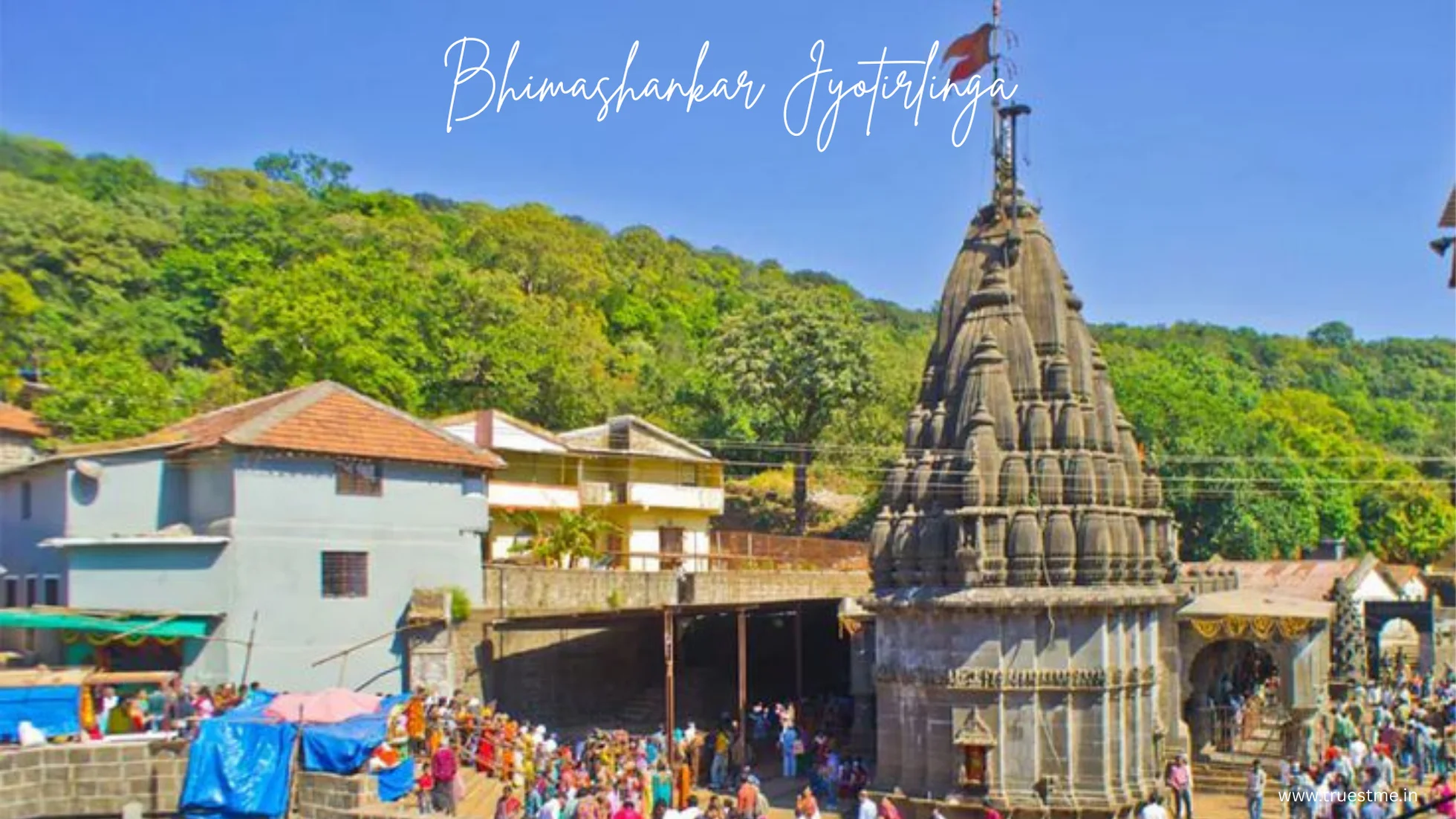
Nestled deep within the lush forests of the Sahyadri Hills in Maharashtra, Bhimashankar Jyotirlinga is one of the most sacred pilgrimage destinations dedicated to Lord Shiva. Revered as one of the 12 Jyotirlingas, this ancient temple attracts millions of devotees and nature lovers every year.
Apart from its immense spiritual significance, the Bhimashankar Temple Maharashtra is also famous for its breathtaking natural surroundings, scenic trekking routes, rich biodiversity, and the nearby Bhimashankar Wildlife Sanctuary. Whether you're planning a religious pilgrimage, a weekend getaway from Pune or Mumbai, or an adventure-filled trek, this destination offers a unique blend of spirituality and nature.
In this complete Bhimashankar Temple Travel Guide, you'll discover everything you need to know—from the fascinating Bhimashankar Jyotirlinga History and temple architecture to Bhimashankar Temple Timings, darshan details, how to reach, accommodation options, nearby attractions, travel tips, and much more.
About Bhimashankar Jyotirlinga
Bhimashankar Jyotirlinga Temple is situated in the Pune district of Maharashtra, approximately 110 km from Pune and around 220 km from Mumbai. The temple is surrounded by dense forests and hills, making it one of India's most picturesque Shiva temples.
According to Hindu scriptures, Lord Shiva manifested here in the form of a Jyotirlinga after defeating the demon Bhima, restoring peace and righteousness. Since then, this sacred site has become one of the most important Shiva pilgrimage destinations in India.
The temple also serves as the origin of the Bhima River, adding even greater spiritual significance to this holy place.
Quick Facts
| Information | Details |
|---|---|
| Temple Name | Bhimashankar Jyotirlinga |
| Location | Pune District, Maharashtra |
| State | Maharashtra |
| Deity | Lord Shiva |
| Significance | One of the 12 Jyotirlingas |
| Famous For | Shiva Temple, Wildlife Sanctuary, Trekking |
| Best Time to Visit | October to February |
| Nearby City | Pune |
| Nearest Airport | Pune International Airport |
Bhimashankar Jyotirlinga History
The Bhimashankar Jyotirlinga History dates back several centuries and is deeply rooted in Hindu mythology as well as medieval Indian architecture.
The present temple is believed to have been developed during the Nagara style of architecture, with significant renovations carried out during the Maratha period. Several historical records associate the restoration of the temple with Nana Phadnavis, one of the prominent statesmen of the Maratha Empire.
The temple beautifully combines ancient stone carvings, intricate sculptures, and traditional architectural elements that reflect the artistic excellence of medieval India.
Over the centuries, countless saints, sages, and devotees have visited this sacred shrine, making it one of Maharashtra's most revered pilgrimage destinations.
Mythological Story of Bhimashankar Jyotirlinga
The legend behind Bhimashankar Jyotirlinga is one of the most fascinating stories in Hindu mythology.
According to the Shiva Purana, there lived a powerful demon named Bhima, who was the son of Kumbhakarna, the brother of Ravana.
After learning about his father's death in the Ramayana, Bhima became furious and vowed to conquer the heavens and destroy all devotees of Lord Shiva.
Through intense penance, Bhima obtained extraordinary powers from Lord Brahma and began terrorizing sages, kings, and devotees across the region.
One of his greatest acts of cruelty was imprisoning a devout king named Sudakshina, who continued worshipping Lord Shiva even while in captivity.
Enraged by the king's unwavering devotion, Bhima attempted to destroy the Shiva Lingam.
At that very moment, Lord Shiva appeared in a blazing pillar of divine light and engaged Bhima in a fierce battle.
After defeating the demon, Lord Shiva manifested himself permanently at this sacred place in the form of a Jyotirlinga, blessing devotees forever.
This divine event gave the temple its name—Bhimashankar.
Today, millions of devotees visit the temple believing that sincere prayers offered here remove obstacles, bring prosperity, and grant spiritual liberation.
Religious Importance of Bhimashankar Temple
The Bhimashankar Shiva Temple holds immense spiritual importance in Hinduism.
Being one of the 12 Jyotirlingas, it is believed to represent the infinite and self-manifested form of Lord Shiva.
According to ancient beliefs:
- Visiting Bhimashankar Jyotirlinga washes away sins.
- Performing Abhishek brings peace and prosperity.
- Offering Bilva leaves is considered highly auspicious.
- Mahashivratri attracts lakhs of devotees every year.
- Shravan month is regarded as the holiest time for darshan.
Many pilgrims also combine their visit with other famous Shiva temples in Maharashtra as part of a spiritual circuit.
Temple Architecture
One of the highlights of the Bhimashankar Temple Maharashtra is its remarkable architecture.
The temple showcases the traditional Nagara architectural style, featuring beautifully carved stone pillars, intricate sculptures, and detailed motifs inspired by Hindu mythology.
Architectural Highlights
- Ancient black stone construction
- Beautifully carved entrance gateway
- Intricate sculptures of Hindu deities
- Traditional Sabha Mandap
- Peaceful temple courtyard
- Sacred Shiva Lingam
- Historic temple bells
- Classic Maratha-era restoration elements
Despite being located in the middle of dense forests, the temple has preserved its original spiritual charm for centuries.
The peaceful surroundings, cool mountain climate, and chanting of Vedic hymns create an unforgettable atmosphere for every visitor.
Why is Bhimashankar Temple Famous?
The Bhimashankar Temple is renowned for several reasons that make it one of India's most unique pilgrimage destinations:
- It is one of the 12 sacred Jyotirlingas of Lord Shiva.
- Located amidst the breathtaking Sahyadri Hills and lush forests.
- Home to the famous Bhimashankar Wildlife Sanctuary, known for rich biodiversity and the Indian Giant Squirrel.
- Popular weekend destination from Pune and Mumbai.
- A favorite spot for trekking enthusiasts during the monsoon.
- Rich mythological significance connected to the Shiva Purana.
- Peaceful spiritual environment away from crowded cities.
- One of the most visited temples in Maharashtra throughout the year.
Whether you're a devotee seeking blessings or a traveler exploring Maharashtra's spiritual and natural heritage, Bhimashankar Jyotirlinga offers an unforgettable experience.
Bhimashankar Temple Timings
Knowing the Bhimashankar Temple Timings in advance helps you plan a smooth pilgrimage and avoid long waiting times.
| Activity | Timings |
|---|---|
| Temple Opening Time | 4:30 AM |
| Kakad Aarti | 4:30 AM – 5:00 AM |
| Morning Darshan | 5:00 AM onwards |
| Abhishek & Special Poojas | Morning Hours |
| Afternoon Darshan | Continues |
| Evening Aarti | Around Sunset |
| Temple Closing Time | 9:30 PM |
Note: Timings may vary slightly during festivals, Mahashivratri, Shravan month, and special occasions. It's a good idea to confirm the schedule before your visit.
Bhimashankar Darshan Guide
A visit to Bhimashankar Darshan is considered one of the holiest experiences for devotees of Lord Shiva.
Pilgrims usually begin their visit early in the morning to avoid crowds and experience the peaceful atmosphere.
Tips for Faster Darshan
- Arrive before 6:00 AM.
- Avoid weekends if possible.
- Visit during weekdays for shorter queues.
- Carry only essential belongings.
- Follow temple dress and conduct guidelines.
Bhimashankar Temple Opening Time
The Bhimashankar Temple Opening Time is generally 4:30 AM, allowing devotees to attend the sacred Kakad Aarti and participate in the early morning rituals.
Morning hours are considered especially auspicious for Shiva worship.
Bhimashankar Temple Closing Time
The Bhimashankar Temple Closing Time is usually 9:30 PM after the completion of the evening rituals and final aarti.
Visitors are advised to arrive well before closing time to ensure sufficient time for darshan.
Bhimashankar Temple Entry Fee
One of the best things about visiting Bhimashankar Temple Maharashtra is that there is no general entry fee.
| Category | Fee |
|---|---|
| Temple Entry | Free |
| General Darshan | Free |
| Parking | Charges may apply |
| Special Poojas | As per temple guidelines |
| VIP Darshan | Subject to availability |
While entry is free, devotees may choose to make voluntary donations or participate in paid religious rituals.
Best Time to Visit Bhimashankar Temple
Choosing the Best Time to Visit Bhimashankar Temple can greatly enhance your overall experience.
Winter (October to February) – Best Season
This is the most comfortable time for both pilgrimage and sightseeing.
- Pleasant weather
- Clear skies
- Comfortable trekking
- Ideal photography conditions
- Great for families and senior citizens
Monsoon (June to September)
The Sahyadri Hills transform into a lush green paradise.
Perfect for:
- Nature lovers
- Adventure seekers
- Trekking enthusiasts
- Waterfalls
- Wildlife photography
However, trekking trails may become slippery, so proper footwear is essential.
Summer (March to May)
Temperatures are warmer during the afternoon.
If visiting in summer:
- Start early in the morning.
- Carry enough drinking water.
- Wear light cotton clothes.
Bhimashankar Temple Weather
The Bhimashankar Temple Weather remains relatively pleasant throughout the year due to its location in the Western Ghats.
| Season | Temperature |
|---|---|
| Winter | 10°C – 25°C |
| Summer | 20°C – 35°C |
| Monsoon | 18°C – 28°C |
The monsoon season brings heavy rainfall, creating spectacular views but also making some trekking routes more challenging.
How to Reach Bhimashankar Temple
One of the most searched questions is "How to Reach Bhimashankar Temple?"
Fortunately, the temple is well connected by road from major cities in Maharashtra.
Pune to Bhimashankar
The distance from Pune to Bhimashankar is approximately 110 km.
Travel Options
By Car
- Time: 3–4 hours
- Best option for families and groups
By Bus
Regular state transport and private buses operate from Pune to Bhimashankar.
By Taxi
Comfortable but relatively expensive.
Mumbai to Bhimashankar
The distance from Mumbai to Bhimashankar is approximately 220 km.
Travel Time:
- Around 5–6 hours by road
Popular Route:
Mumbai → Kalyan → Murbad → Malshej Region → Bhimashankar
Many travelers plan a weekend road trip from Mumbai to enjoy both the temple and the scenic drive through the Sahyadri Hills.
Nashik to Bhimashankar
The distance from Nashik to Bhimashankar is approximately 210 km.
Travel Time:
- Around 5 hours
Visitors from Nashik usually travel by private vehicle or hired taxi.
Nearest Airport
The nearest airport is:
Pune International Airport
Distance:
Approximately 125 km
From the airport, visitors can hire taxis or take buses towards Bhimashankar.
Nearest Railway Station
The nearest major railway stations include:
- Pune Junction
- Karjat
- Kalyan Junction
From these stations, buses and taxis are available for onward travel.
Bhimashankar Temple Route
There are multiple scenic routes to reach Bhimashankar Temple.
From Pune
Pune → Rajgurunagar → Manchar → Ghodegaon → Bhimashankar
From Mumbai
Mumbai → Kalyan → Murbad → Tokawade → Bhimashankar
Both routes pass through beautiful mountain landscapes, making the journey as memorable as the destination.
Bhimashankar Temple Trekking Guide
Adventure enthusiasts often combine spirituality with trekking.
The Bhimashankar Temple Trekking Guide is especially useful for those looking to explore the natural beauty of the region.
Popular Trek Routes
Ganesh Ghat Trek
- Easier route
- Family-friendly
- Suitable for beginners
Shidi Ghat Trek
- More challenging
- Steep climb
- Ideal for experienced trekkers
Trek Difficulty
Moderate
Trek Essentials
- Trekking shoes
- Raincoat (Monsoon)
- Water bottle
- Energy snacks
- Flashlight
- First Aid Kit
Bhimashankar Forest & Wildlife Sanctuary
One of the biggest attractions near the temple is the Bhimashankar Wildlife Sanctuary, located within the lush forests of the Sahyadri Hills.
Nature lovers can enjoy:
- Dense evergreen forests
- Bird watching
- Nature photography
- Scenic viewpoints
- Rare plant species
- The famous Indian Giant Squirrel (Shekru), the state animal of Maharashtra
The sanctuary is a favorite destination for eco-tourism, trekking, and wildlife enthusiasts.
Travel Tips for Visitors
To make your trip to Bhimashankar Jyotirlinga comfortable and memorable:
- Visit early in the morning for peaceful darshan.
- Wear modest and comfortable clothing.
- Carry a light jacket during winter.
- Wear sturdy shoes if you plan to trek.
- Keep cash for small shops and local transport.
- Avoid littering and help preserve the natural surroundings.
- During monsoon, check weather conditions before traveling.
- Book accommodation in advance during Mahashivratri and Shravan.
Best Places to Visit Near Bhimashankar Temple
A trip to Bhimashankar Jyotirlinga is not just about visiting the temple. The surrounding Sahyadri region offers scenic landscapes, forests, waterfalls, trekking trails, and wildlife experiences.
1. Bhimashankar Wildlife Sanctuary
One of Maharashtra's most beautiful protected forests, the Bhimashankar Wildlife Sanctuary is home to diverse flora and fauna.
Highlights
- Indian Giant Squirrel (Shekru)
- Bird Watching
- Nature Walks
- Photography
- Dense Evergreen Forest
- Peaceful Environment
Perfect for families, photographers, and wildlife enthusiasts.
2. Hanuman Lake
Located near the temple, this peaceful lake is an ideal place for relaxation after darshan.
Best For:
- Sunrise
- Photography
- Nature Lovers
- Meditation
3. Gupt Bhimashankar
A sacred spot hidden inside the forest where devotees believe the holy stream from the Jyotirlinga reappears.
This place is popular among pilgrims seeking a quieter spiritual experience.
4. Nagphani Point
Also known as Snake Point, this viewpoint offers panoramic views of the Sahyadri Hills.
Popular for:
- Trekking
- Sunset Views
- Landscape Photography
5. Bombay Point
A lesser-known viewpoint offering spectacular valley views during monsoon and winter.
Bhimashankar Temple Nearby Places
If you have one or two extra days, consider exploring:
- Lenyadri Caves
- Shivneri Fort
- Malshej Ghat
- Ozar Ganpati Temple
- Kukdeshwar Temple
- Peth Fort
- Harishchandragad
- Junnar
These destinations can be combined into a memorable Maharashtra road trip.
Bhimashankar Temple Accommodation
Apart from hotels, visitors can also choose:
- Dharamshalas
- Temple Guest Houses
- MTDC Resorts
- Homestays
- Private Lodges
Tips
- Book in advance during Mahashivratri.
- Shravan month experiences heavy crowds.
- Weekends also see high demand.
Local Food Near Bhimashankar Temple
Don't miss the authentic Maharashtrian cuisine available near the temple.
Popular dishes include:
- Poha
- Misal Pav
- Vada Pav
- Pithla Bhakri
- Sabudana Khichdi
- Kanda Bhaji
- Tea & Local Snacks
Simple vegetarian meals are widely available near the temple.
Major Festivals Celebrated
Mahashivratri
The biggest festival celebrated at Bhimashankar Jyotirlinga.
Highlights:
- Night-long prayers
- Abhishek
- Bhajans
- Huge crowds
- Special decorations
Shravan Month
Every Monday during Shravan attracts thousands of devotees.
Kartik Purnima
Special religious ceremonies and spiritual gatherings are organized.
Temple Dress Code
Although there is no strict dress code, modest clothing is recommended.
Suggested attire:
Men
- Full Pants
- Kurta
- Shirt
- Traditional Wear
Women
- Saree
- Salwar Suit
- Kurti
- Comfortable Ethnic Wear
Avoid revealing clothes inside the temple premises.
Photography Guidelines
Photography is generally allowed outside the temple complex.
Inside the sanctum (Garbhagriha), photography may be restricted.
Always respect temple rules and avoid disturbing worshippers.
Shopping Near Bhimashankar Temple
Popular items include:
- Rudraksha
- Shiva Idols
- Brass Bells
- Spiritual Books
- Local Handicrafts
- Incense
- Religious Souvenirs
Essential Travel Tips
✔ Start early in the morning.
✔ Wear comfortable footwear.
✔ Carry drinking water.
✔ Keep rain protection during monsoon.
✔ Avoid plastic waste.
✔ Respect temple traditions.
✔ Book hotels in advance.
✔ Carry some cash.
✔ Keep your ID proof.
✔ Follow forest safety rules.
Frequently Asked Questions (FAQs)
1. Where is Bhimashankar Jyotirlinga located?
It is located in Pune district, Maharashtra, amidst the Sahyadri Hills.
2. Is Bhimashankar one of the 12 Jyotirlingas?
Yes, it is one of the twelve sacred Jyotirlingas dedicated to Lord Shiva.
3. What are the Bhimashankar Temple Timings?
Generally from 4:30 AM to 9:30 PM, though timings can vary during festivals.
4. Is there any entry fee?
No, general entry to the temple is free.
5. What is the best time to visit Bhimashankar Temple?
October to February is considered the best season.
6. How far is Pune from Bhimashankar?
Approximately 110 km.
7. How far is Mumbai from Bhimashankar?
Approximately 220 km.
8. Can senior citizens visit easily?
Yes, though weekends and festivals are crowded.
9. Is trekking compulsory?
No.
Visitors can reach the temple directly by road.
10. Is parking available?
Yes.
Paid parking facilities are available nearby.
11. Are hotels available near the temple?
Yes.
Hotels, lodges, resorts, and Dharamshalas are available for all budgets.
12. Can families visit?
Absolutely.
It is a family-friendly pilgrimage destination.
13. Which is the nearest airport?
Pune International Airport.
14. Which wildlife sanctuary is nearby?
The famous Bhimashankar Wildlife Sanctuary.
15. What is Bhimashankar famous for?
It is famous for:
- One of the 12 Jyotirlingas
- Lord Shiva Temple
- Wildlife Sanctuary
- Trekking
- Sahyadri Hills
- Spiritual Tourism
Final Conclusion
Bhimashankar Jyotirlinga is much more than just a temple—it is a place where spirituality, history, mythology, and nature come together. Located in the serene Sahyadri Hills, this sacred shrine offers devotees a chance to seek the blessings of Lord Shiva while also enjoying the beauty of lush forests, scenic trekking trails, and the nearby Bhimashankar Wildlife Sanctuary.
Whether you're planning a religious pilgrimage, a family vacation, or a weekend getaway from Pune or Mumbai, Bhimashankar Temple Maharashtra promises an enriching and unforgettable experience. From the divine atmosphere of the temple to the breathtaking landscapes surrounding it, every moment here leaves visitors with lasting memories.
If you're looking for one of the most peaceful and spiritually uplifting destinations in India, Bhimashankar Jyotirlinga deserves a place at the top of your travel list.