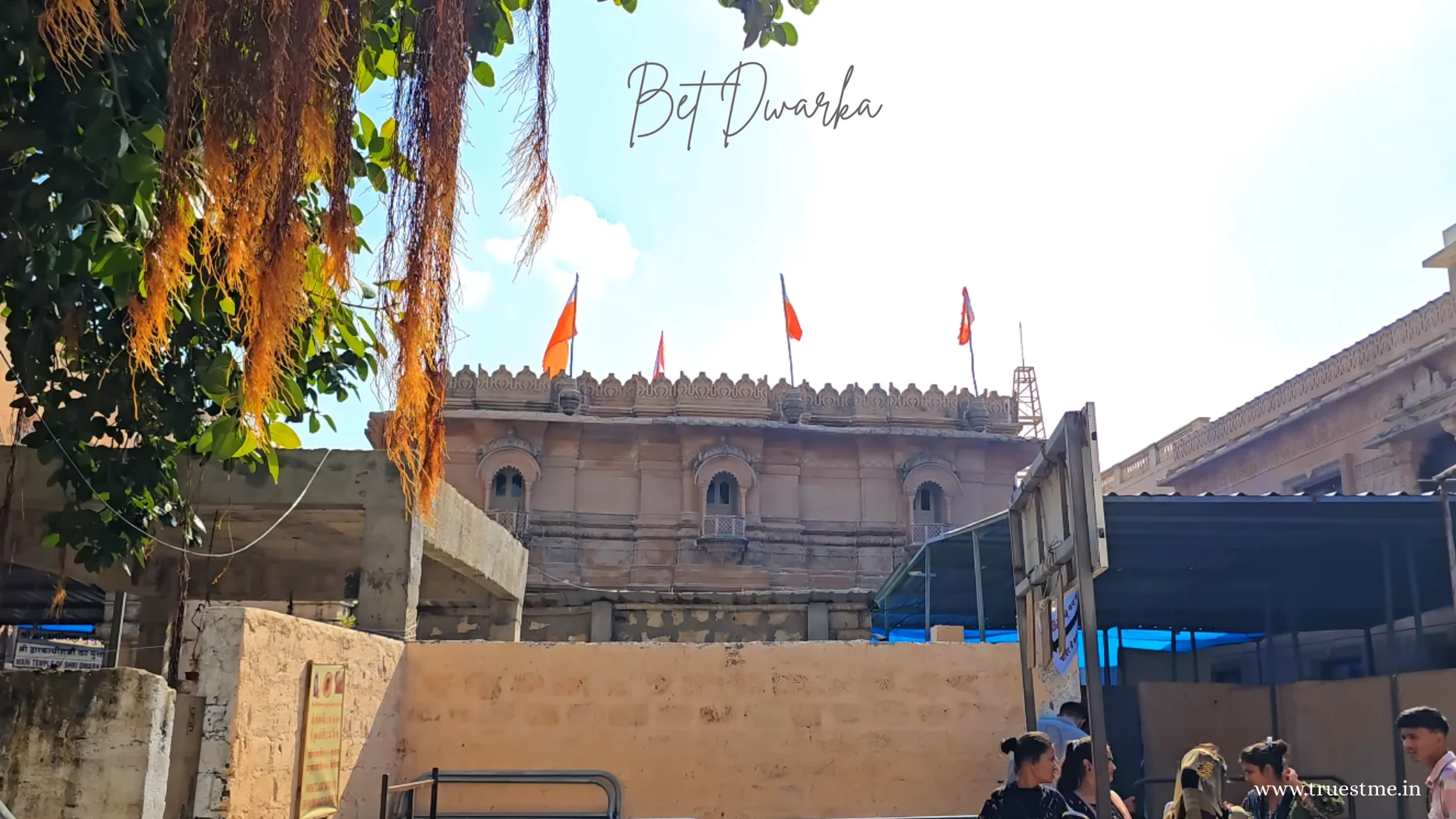
Nestled in the Arabian Sea off the coast of Gujarat, Bet Dwarka is one of the most sacred islands in Hinduism and a significant part of the Dwarka pilgrimage circuit. Located near the holy city of Dwarka, this ancient island is traditionally believed to be the original residence of Lord Krishna during his reign in the legendary kingdom of Dwarka.
Unlike the mainland temples filled with large crowds, Bet Dwarka offers a deeply serene, devotional, and spiritually immersive environment where mythology, archaeology, and living traditions coexist. The island is not merely a pilgrimage site but a sacred landscape that reflects the divine past of Lord Krishna, ancient maritime history, and centuries of uninterrupted faith.
Mythological Significance of Bet Dwarka in Hindu Scriptures
Bet Dwarka holds immense importance in Hindu mythology and is often referred to as “Shankhodhar Island.” According to ancient texts like the Skanda Purana and local Vaishnav traditions, this island was the royal residence of Lord Krishna and his family.
One of the most revered legends associated with Beyt Dwarka is the story of Sudama (Krishna’s childhood friend). It is believed that Sudama visited Lord Krishna on this very island and offered a humble gift of poha (flattened rice). Moved by Sudama’s devotion and simplicity, Lord Krishna blessed him with prosperity. This story symbolizes the spiritual values of humility, devotion, and divine grace.
Additionally, many devotees believe that the island represents the personal and domestic side of Lord Krishna’s life, unlike the grand royal representation seen at mainland temples.
Connection with the Ancient Kingdom of Dwarka
The spiritual importance of Beyt Dwarka is closely linked with the legendary submerged city of Dwarka described in the Mahabharata. According to mythology, Lord Krishna established a magnificent golden city on the western coast of India after leaving Mathura.
Marine archaeological studies conducted near the Dwarka coast have discovered submerged structures, ancient anchors, pottery, and settlement remains beneath the sea. These findings have strengthened the belief that an advanced ancient civilization once existed in this region. Scholars and historians consider Bet Dwarka a possible part of the extended ancient Dwarka civilization due to its geographical proximity and archaeological evidence.
This makes the island not only a religious site but also an important subject of historical and archaeological interest.
Archaeological Discoveries and Historical Importance
Excavations in and around Bet Dwarka have revealed:
- Stone structures and fortification remains
- Ancient pottery and artifacts
- Shell objects and marine trade evidence
- Anchors suggesting maritime activity
These discoveries indicate that Bet Dwarka was an important maritime and trade center in ancient times. The island’s strategic coastal location suggests it played a significant role in sea trade and cultural exchange during early Indian civilization.
Historians also believe that the island’s continuous religious relevance helped preserve its cultural identity over thousands of years.
Bet Dwarka Temple – Sacred Abode of Lord Krishna
The main temple on the island is dedicated to Lord Krishna and is considered one of the most spiritually significant temples in the Dwarka region. Devotees believe that the idol worshipped here represents Lord Krishna in his royal household form.
Religious Practices and Rituals
- Mangala Aarti (early morning prayer)
- Shringar Darshan (decorative darshan of the deity)
- Rajbhog Offering (midday food offering)
- Sandhya Aarti (evening prayer)
- Special Janmashtami celebrations
Unlike many large temples, the worship here is more traditional and intimate, allowing devotees to experience a closer spiritual connection.
Spiritual Importance in the Dwarka Pilgrimage Circuit
Bet Dwarka is an essential component of the sacred pilgrimage route centered around Dwarka, one of the Char Dham pilgrimage sites in Hinduism. Devotees usually visit the island after seeking blessings at the famous Dwarkadhish Temple.
The complete pilgrimage circuit often includes:
- Dwarkadhish Temple (Main Krishna Temple)
- Nageshwar Jyotirlinga Temple (One of the 12 Jyotirlingas)
- Rukmini Devi Temple
- Bet Dwarka (Krishna’s residence)
- Gomti Ghat
This sacred route represents a harmonious blend of Vaishnavite and Shaivite traditions, enhancing the spiritual depth of the journey.
The Ferry Journey from Okha – A Symbolic Pilgrimage Experience
Reaching Bet Dwarka requires a ferry ride from Okha Port, located approximately 30 km from Dwarka. The boat journey across the Arabian Sea takes around 15–25 minutes and is considered a spiritual experience in itself.
During the ferry ride, pilgrims often chant bhajans, feed birds, and enjoy panoramic sea views. The journey symbolically represents crossing worldly distractions to reach a sacred spiritual destination. The sight of the island temple emerging from the sea creates a deeply emotional and devotional moment for many pilgrims.
Architectural and Cultural Characteristics of the Island
The temples and structures on Bet Dwarka reflect traditional Gujarati temple architecture with simple yet spiritually rich design elements. The island’s narrow lanes, old temple complexes, and local settlements preserve a traditional devotional lifestyle.
Cultural Highlights
- Traditional prasad offerings linked to Krishna devotion
- Local priests maintaining ancient rituals
- Devotional markets and religious souvenirs
- Coastal village culture influenced by temple traditions
The simplicity of the architecture enhances the sacred ambiance rather than overshadowing it with grandeur.
Best Time to Visit Bet Dwarka
The most suitable time to visit Bet Dwarka is between October and March when the weather is pleasant and sea conditions are stable.
Seasonal Insights
- Winter (Oct–Mar): Ideal for pilgrimage and ferry travel
- Summer (Apr–Jun): Hot but manageable with early visits
- Monsoon (Jul–Sep): Ferry services may be limited due to rough sea conditions
Visiting during Janmashtami offers a spiritually vibrant atmosphere as the island celebrates the birth of Lord Krishna with grand devotion.
Timings, Ferry Details & Entry Information
- Temple Timings: Approximately 6:00 AM to 7:00 PM
- Entry Fee: Free
- Ferry Point: Okha Port
- Ferry Duration: 15–25 minutes
- Ferry Charges: Nominal and affordable
- Last Ferry: Usually before sunset (varies seasonally)
It is recommended to confirm ferry schedules in advance, especially during peak seasons and festivals.
How to Reach Bet Dwarka
By Air
The nearest airport is Jamnagar Airport (around 130 km), well-connected to major cities like Ahmedabad and Mumbai.
By Train
Dwarka Railway Station is the nearest railhead with good connectivity to major cities in Gujarat and India.
By Road
Travelers can reach Okha Port by road from Dwarka via buses, taxis, or private vehicles. Regular ferry services operate from Okha to Bet Dwarka throughout the day.
Travel Tips for Pilgrims and Visitors
- Start early to complete ferry travel comfortably
- Carry water, sunscreen, and essential medicines
- Wear modest and temple-appropriate clothing
- Keep cash for ferry tickets and temple offerings
- Avoid plastic usage to protect the sacred island environment
- Plan your return ferry timing in advance
- Visit on weekdays for a less crowded spiritual experience
Why Bet Dwarka is a Spiritually and Historically Unique Destination
Bet Dwarka is not just an island temple destination but a sacred extension of Lord Krishna’s divine legacy, enriched with mythology, archaeological importance, and living devotional traditions. Its connection with ancient Dwarka civilization, maritime history, and Krishna’s personal life makes it one of the most spiritually meaningful pilgrimage sites in India.
The combination of a sea journey, sacred temple darshan, mythological depth, and peaceful atmosphere creates a rare spiritual experience that cannot be found in ordinary temple visits. For devotees, historians, and cultural explorers alike, Bet Dwarka offers a profound journey into faith, history, and the timeless legacy of Lord Krishna.