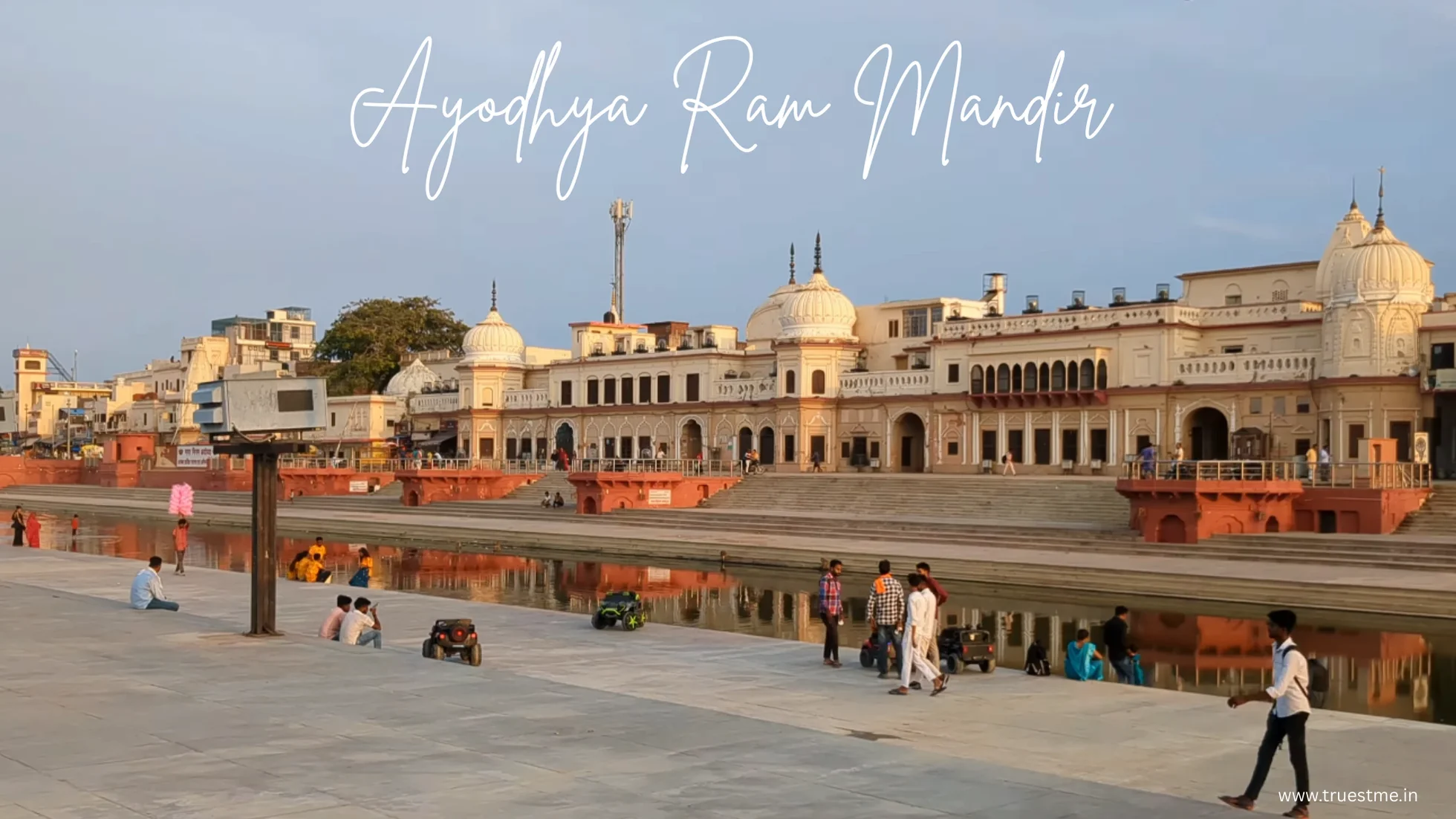
Ayodhya Ram Mandir is one of India's most sacred Hindu temples and a symbol of faith, devotion, and cultural heritage. Located in the holy city of Ayodhya in Uttar Pradesh, the temple stands at the revered Ram Janmabhoomi, which is traditionally believed to be the birthplace of Lord Shri Ram, the seventh incarnation of Lord Vishnu.
For millions of devotees across India and around the world, Ram Mandir is much more than a place of worship. It represents centuries of devotion, spiritual traditions, and architectural excellence. Every year, pilgrims, history enthusiasts, photographers, and travelers visit Ayodhya to experience its divine atmosphere, witness the magnificent temple, and explore the city's rich heritage.
The newly constructed Ayodhya Ram Mandir beautifully combines traditional Nagara-style temple architecture with modern engineering techniques. Every pillar, carving, and sculpture reflects India's ancient craftsmanship while ensuring that the temple can welcome millions of visitors every year.
Whether you are planning your first pilgrimage or simply wish to learn about the temple's fascinating history, this complete guide covers everything you need to know—from the Ayodhya Ram Mandir history and Ram Mandir Ayodhya opening date to its architecture, spiritual importance, travel information, and visitor tips.
Quick Facts About Ayodhya Ram Mandir
| Information | Details |
|---|---|
| Temple Name | Shri Ram Janmabhoomi Mandir |
| Popular Name | Ayodhya Ram Mandir |
| Location | Ayodhya, Uttar Pradesh, India |
| Dedicated To | Lord Shri Ram |
| Temple Style | Traditional Nagara Architecture |
| Managed By | Shri Ram Janmabhoomi Teerth Kshetra Trust |
| Famous For | Birthplace of Lord Ram |
| Best Time to Visit | October to March |
| Major Festival | Ram Navami |
| Daily Visitors | Thousands of devotees |
Why is Ayodhya Ram Mandir So Famous?
Ayodhya Ram Mandir is internationally recognized as one of Hinduism's most significant pilgrimage destinations. According to ancient Hindu scriptures, including the Ramayana, Ayodhya was the capital of the Kosala Kingdom and the birthplace of Lord Ram, whose life continues to inspire millions through values of righteousness, courage, compassion, and duty.
The temple gained worldwide attention because of its immense religious importance and the long legal and historical journey associated with the Ram Janmabhoomi site. Today, it serves as a major spiritual center while also showcasing India's traditional temple architecture and craftsmanship.
Apart from its religious significance, Ayodhya has rapidly emerged as one of India's leading spiritual tourism destinations, attracting visitors from across the globe who wish to explore its temples, ghats, cultural heritage, and sacred atmosphere.
Ayodhya Ram Mandir History
Ancient History of Ram Janmabhoomi
The history of Ayodhya stretches back thousands of years and is deeply rooted in Hindu tradition. Ancient scriptures such as the Ramayana, Skanda Purana, Vishnu Purana, and other sacred texts describe Ayodhya as one of the seven most sacred cities (Sapta Puri) in Hinduism.
According to these traditions, Lord Shri Ram was born in Ayodhya, making the Ram Janmabhoomi one of the holiest places for devotees. Over centuries, kings, saints, and pilgrims continued to visit the sacred city, strengthening its importance in Indian religious history.
Historical accounts also indicate that several temples existed in the region across different periods. Archaeological studies have found evidence of earlier structural remains at the site, reflecting its long-standing cultural and religious significance.
Medieval Period
During the medieval era, the Ram Janmabhoomi site became the subject of historical changes that influenced the region for centuries. Despite these developments, Ayodhya remained an important pilgrimage destination where devotees continued to worship Lord Ram and preserve the city's spiritual traditions.
Throughout history, numerous saints, scholars, and religious leaders emphasized Ayodhya's importance as a center of devotion, ensuring that its cultural identity remained alive across generations.
Modern History
In recent decades, the Ram Janmabhoomi issue attracted national attention and eventually reached the judicial system. Following legal proceedings, construction of the new temple began under the supervision of the Shri Ram Janmabhoomi Teerth Kshetra Trust.
Today, the temple stands as a remarkable example of traditional Indian architecture and skilled craftsmanship while serving as one of the country's largest pilgrimage destinations.
Ram Mandir Ayodhya Opening Date
One of the most searched questions is the Ram Mandir Ayodhya opening date.
The temple was ceremonially inaugurated on 22 January 2024, when the sacred Pran Pratishtha ceremony of Ram Lalla was performed in the presence of religious leaders, dignitaries, and thousands of invited guests. Following the ceremony, the temple was opened to devotees, allowing millions of pilgrims from across India and abroad to offer prayers at the sacred shrine.
Since its opening, Ayodhya has witnessed a significant increase in tourism, with devotees visiting throughout the year to seek blessings and experience the temple's spiritual atmosphere.
Ayodhya Ram Mandir Pran Pratishtha Date
The Ayodhya Ram Mandir Pran Pratishtha date is 22 January 2024.
Pran Pratishtha is one of the most sacred rituals in Hindu tradition. During this ceremony, Vedic mantras and rituals are performed to ceremonially consecrate the deity, symbolizing the divine presence within the idol.
The Pran Pratishtha of Ram Lalla marked a historic moment for millions of devotees and became one of the most significant religious events in modern Indian history.
Spiritual Significance of Ayodhya Ram Mandir
For Hindus, Ayodhya is not merely a city—it is a sacred spiritual destination associated with Lord Shri Ram's birth, childhood, and divine life.
The temple symbolizes:
- Dharma (Righteousness)
- Truth
- Devotion
- Compassion
- Family Values
- Duty and Sacrifice
- Spiritual Awakening
Devotees believe that visiting Ram Janmabhoomi brings inner peace, strengthens faith, and offers an opportunity to connect with centuries of living spiritual tradition. Many pilgrims include a visit to the nearby Sarayu River for prayer and reflection as part of their pilgrimage.
Architecture of Ayodhya Ram Mandir
The Ayodhya Ram Mandir showcases the timeless beauty of traditional Nagara-style temple architecture, a style widely associated with North Indian temples. Designed to reflect classical Hindu architectural principles, the temple combines intricate stone craftsmanship with modern engineering for durability and visitor management.
Some of its notable architectural features include:
Grand Shikhara
The towering central shikhara rises above the sanctum, creating an impressive skyline and symbolizing the connection between earth and the divine.
Garbhagriha (Sanctum Sanctorum)
The Garbhagriha houses the idol of Ram Lalla, the child form of Lord Ram. This is the holiest part of the temple, where devotees gather to offer prayers and seek blessings.
Intricate Stone Carvings
Thousands of beautifully carved sculptures depict scenes from the Ramayana, floral motifs, celestial beings, and traditional Hindu symbols, highlighting India's rich artistic heritage.
Pillars and Mandapas
The temple features elaborately carved pillars and spacious mandapas (assembly halls) that accommodate pilgrims while preserving traditional temple aesthetics.
Sustainable Construction
The temple has been designed with durability in mind, using high-quality stone and engineering techniques intended to preserve the structure for generations while accommodating large numbers of visitors.
Ayodhya Ram Mandir Budget
One of the most common questions people search online is about the Ram Mandir Ayodhya budget.
The construction of the temple has been funded primarily through donations made by devotees from across India and around the world. Instead of relying on government funding for the temple structure, contributions from millions of devotees played a significant role in making this historic project possible.
The temple project includes much more than the main shrine. It also covers:
- Grand entrance gates
- Pilgrim facilities
- Landscaped gardens
- Wide pathways for visitors
- Security infrastructure
- Museum and cultural spaces
- Administrative buildings
- Parking facilities
- Drinking water and sanitation services
- Crowd management systems
As Ayodhya continues to develop into a major religious tourism destination, additional infrastructure such as roads, public transport, accommodation, and civic amenities is also being expanded.
Ayodhya Ram Mandir Cost
Many visitors also search for the Ayodhya Ram Mandir cost.
The estimated construction cost of the main temple is widely reported to be around ₹1,800 crore, while the broader development of the Ram Janmabhoomi complex and surrounding infrastructure involves significantly higher investments from various development projects.
The use of premium-quality sandstone, intricate carvings, traditional craftsmanship, and modern engineering has made the temple one of the most remarkable architectural projects in contemporary India.
Ayodhya Ram Mandir Total Cost
If you are searching for the Ayodhya Ram Mandir total cost, it's important to understand the difference between the temple construction and the city's overall development.
- Estimated main temple construction cost: Approximately ₹1,800 crore
- Overall Ayodhya infrastructure development: Several large-scale public infrastructure projects have been undertaken separately to support tourism, transportation, and pilgrim facilities.
These developments include:
- Improved highways
- Railway station modernization
- Airport development
- Riverfront beautification
- Smart city initiatives
- New hotels and accommodation
- Public transport improvements
- Tourism infrastructure
Together, these projects are transforming Ayodhya into one of India's leading spiritual and cultural tourism destinations.
Ayodhya Ram Mandir Timing
Knowing the Ayodhya Ram Mandir timing before your visit can help you avoid unnecessary waiting and plan your day efficiently.
While schedules may change during festivals and special occasions, the temple generally welcomes devotees in two sessions each day.
General Darshan Timings
| Session | Time |
|---|---|
| Morning Darshan | 7:00 AM – 11:30 AM |
| Afternoon Break | Temple closes briefly |
| Evening Darshan | 2:00 PM – 7:00 PM |
Special aartis and religious ceremonies may have separate timings, especially during Ram Navami, Diwali, and other major Hindu festivals.
Tip: Arrive early in the morning on weekdays for a smoother darshan experience, as weekends and festival periods usually attract much larger crowds.
Ayodhya Ram Mandir Darshan Booking Online
A frequently searched query is Ayodhya Ram Mandir darshan booking online.
For regular darshan, advance online booking is generally not required. Devotees can usually enter through designated queues and have darshan free of charge.
However, online registration or booking may be available for certain services or special events when announced by the temple authorities. Before planning your visit, always check the official sources for the latest information regarding:
- Special darshan arrangements
- Aarti passes (if applicable)
- Festival entry guidelines
- VIP or differently-abled visitor facilities
- Updated visitor advisories
Avoid relying on unofficial websites or agents claiming guaranteed darshan.
How to Reach Ayodhya Ram Mandir
Reaching Ayodhya has become much easier thanks to significant improvements in road, rail, and air connectivity.
By Road
Ayodhya is well connected by national and state highways.
Approximate distances:
- Lucknow – 135 km
- Prayagraj – 170 km
- Varanasi – 220 km
- Gorakhpur – 140 km
- Kanpur – 230 km
- Delhi – approximately 700 km
Government buses, private buses, taxis, and self-drive vehicles regularly operate to Ayodhya from major cities.
By Train
Traveling by train is one of the most convenient and economical ways to reach Ayodhya.
Several express and superfast trains connect the city with:
- Delhi
- Mumbai
- Kolkata
- Lucknow
- Jaipur
- Ahmedabad
- Patna
- Varanasi
- Gorakhpur
- Prayagraj
The railway station has been upgraded to handle the growing number of pilgrims visiting the Ram Mandir.
Ayodhya Ram Mandir Nearest Railway Station
Another commonly searched question is Ayodhya Ram Mandir nearest railway station.
The nearest railway stations are:
Ayodhya Dham Junction
- Closest major railway station
- Located only a few kilometers from Ram Mandir
- Easily accessible by auto-rickshaw, taxi, and e-rickshaw
Ayodhya Cantt Railway Station
- Another important railway station serving the city
- Connected with major Indian cities
- Convenient transportation available to the temple
Both stations provide excellent connectivity for pilgrims arriving from different parts of the country.
Nearest Airport
The nearest airport is:
Maharishi Valmiki International Airport, Ayodhya
The airport now connects Ayodhya with several Indian cities, making air travel more convenient for pilgrims.
International travelers can also arrive via:
- Lucknow
- Varanasi
and continue their journey to Ayodhya by road or rail.
Local Transportation in Ayodhya
After reaching the city, visitors can easily travel to Ram Mandir using:
- Auto-rickshaws
- E-rickshaws
- Cycle rickshaws
- Taxi services
- Local buses
- Walking routes around the temple area
Many roads near the temple have dedicated pedestrian pathways to improve the pilgrim experience.
Best Time to Visit Ayodhya Ram Mandir
Choosing the right season can make your visit more comfortable and enjoyable.
October to March (Recommended)
This is considered the best time to visit because:
- Pleasant weather
- Comfortable sightseeing
- Ideal for temple visits
- Suitable for photography
- Better walking conditions
April to June
Summer temperatures can be high during the afternoon.
If visiting during these months:
- Plan darshan early in the morning.
- Stay hydrated.
- Wear light cotton clothing.
- Carry sunscreen and a cap.
July to September
The monsoon season brings greenery and a peaceful atmosphere. Occasional rain may affect outdoor sightseeing, but the city remains accessible.
Visitor Guidelines
To ensure a respectful and smooth experience, visitors should follow these guidelines:
- Wear modest and comfortable clothing.
- Follow the instructions of temple staff and security personnel.
- Maintain silence inside the temple premises.
- Keep the surroundings clean.
- Avoid carrying prohibited items.
- Respect local customs and traditions.
- Travel with valid identification if required.
Essential Travel Tips
Before visiting Ayodhya Ram Mandir, keep these practical tips in mind:
- Start your journey early to avoid traffic.
- Carry a reusable water bottle.
- Wear comfortable footwear, as some walking may be required.
- Keep mobile phones and valuables secure.
- Book accommodation in advance during festivals and holidays.
- Explore nearby temples and the Sarayu River to complete your pilgrimage.
- Taste local Awadhi cuisine and support local artisans by purchasing authentic handicrafts.
Religious Significance of Ayodhya Ram Mandir
The Ayodhya Ram Mandir is one of the holiest pilgrimage sites in Hinduism. According to the ancient epic Ramayana, Ayodhya is the birthplace of Lord Shri Ram, the seventh incarnation of Lord Vishnu. For millions of devotees, visiting this sacred temple is not just a journey but an act of deep faith and devotion.
Lord Ram is regarded as the embodiment of truth, righteousness (Dharma), compassion, courage, humility, and ideal leadership. His life continues to inspire people across generations, making the temple a symbol of moral values and spiritual harmony.
The temple attracts devotees from India and around the world who come to:
- Offer prayers to Ram Lalla.
- Seek blessings for peace, prosperity, and family well-being.
- Participate in daily aartis and religious rituals.
- Experience the spiritual atmosphere of Ram Janmabhoomi.
- Learn about India's ancient cultural and religious heritage.
Many pilgrims also consider a visit to the nearby Sarayu River an essential part of their spiritual journey, where they perform prayers and take a holy dip according to tradition.
Daily Rituals at Ayodhya Ram Mandir
The temple follows traditional Hindu rituals every day, creating a peaceful and devotional environment for visitors.
Some of the daily rituals include:
- Mangala Aarti (Morning Prayer)
- Shringar (Adornment of the Deity)
- Bhog Offering
- Midday Worship
- Evening Aarti
- Shayan Aarti (Night Ritual)
During these ceremonies, Vedic hymns, devotional songs, and sacred chants fill the temple, creating a spiritually uplifting experience.
Major Festivals Celebrated at Ayodhya Ram Mandir
Throughout the year, Ayodhya hosts several religious festivals that attract lakhs of devotees. These celebrations showcase the city's rich traditions, cultural heritage, and devotional spirit.
Ram Navami
Ram Navami is the most important festival celebrated at Ayodhya Ram Mandir. It marks the birth anniversary of Lord Shri Ram and is observed with immense devotion.
Highlights include:
- Special pujas and havans
- Continuous chanting of Ramayana
- Grand processions
- Decorated temple premises
- Cultural performances
- Devotional music
- Community feasts
Lakhs of devotees visit Ayodhya during Ram Navami, making it one of the busiest times of the year.
Deepotsav (Diwali Celebration)
Ayodhya's Deepotsav has become one of India's most iconic cultural celebrations. It commemorates Lord Ram's return to Ayodhya after completing fourteen years of exile and defeating Ravana.
During the festival:
- The city is illuminated with countless oil lamps (diyas).
- Ram Ki Paidi glows with spectacular lighting.
- Cultural performances depict scenes from the Ramayana.
- Laser shows and traditional music enhance the celebrations.
- Temples across the city are beautifully decorated.
The atmosphere during Deepotsav offers visitors a unique blend of spirituality, art, and culture.
Vijayadashami (Dussehra)
Dussehra celebrates the victory of Lord Ram over Ravana, symbolizing the triumph of good over evil.
Special events include:
- Ram Leela performances
- Religious discourses
- Temple prayers
- Cultural processions
Makar Sankranti
Many devotees take a holy dip in the Sarayu River during Makar Sankranti before visiting Ram Mandir. The festival is associated with spiritual purification and the beginning of an auspicious period in the Hindu calendar.
Kartik Purnima
Kartik Purnima is another significant occasion in Ayodhya. Devotees participate in river rituals, temple visits, and evening aartis, creating a serene and devotional atmosphere.
Ayodhya Ram Mandir Photos – Best Photography Spots
One of the most searched topics online is Ayodhya Ram Mandir photos. While photography rules may vary within the temple premises, Ayodhya offers many scenic locations where visitors can capture memorable moments.
Some of the best photography spots include:
- Temple exterior architecture
- Grand entrance gates
- Ram Path
- Bhakti Path
- Sarayu River Ghats
- Ram Ki Paidi
- Sunrise views over the Sarayu River
- Evening illumination of Ayodhya
- Decorative gardens around the temple complex
Always follow the latest guidelines issued by the temple authorities regarding photography and videography, especially inside restricted areas.
Top Attractions Near Ayodhya Ram Mandir
A visit to Ayodhya is incomplete without exploring its nearby religious and historical landmarks. These attractions add depth to the pilgrimage experience and showcase the city's rich heritage.
Hanuman Garhi
Hanuman Garhi is one of Ayodhya's most revered temples, dedicated to Lord Hanuman. According to local tradition, devotees often visit Hanuman Garhi before offering prayers at Ram Mandir.
The temple is situated on an elevated platform and provides panoramic views of the surrounding city.
Kanak Bhawan
Kanak Bhawan is believed to have been gifted to Goddess Sita after her marriage to Lord Ram. The temple is known for its beautifully decorated idols of Ram and Sita and its vibrant spiritual atmosphere.
Ram Ki Paidi
Ram Ki Paidi is a series of ghats on the banks of the Sarayu River. Pilgrims gather here for holy baths, evening prayers, and to witness the mesmerizing Sarayu Aarti.
Sunrise and sunset are especially beautiful, making this one of the most peaceful locations in Ayodhya.
Sarayu River
The Sarayu River holds immense religious significance in Hindu tradition. Devotees believe that bathing in its sacred waters helps purify the mind and soul.
Even if you do not participate in rituals, spending time by the river offers a tranquil and reflective experience.
Dashrath Mahal
Dashrath Mahal is traditionally believed to have been the royal residence of King Dashrath, the father of Lord Ram. Today, it is a vibrant temple complex known for devotional music, colorful decorations, and religious ceremonies.
Nageshwarnath Temple
Dedicated to Lord Shiva, the Nageshwarnath Temple is another important spiritual site in Ayodhya. It is especially crowded during Mahashivratri and other major festivals.
Tulsi Smarak Bhawan
This cultural center is dedicated to the poet-saint Goswami Tulsidas, author of the Ramcharitmanas. Visitors can explore exhibitions, manuscripts, and performances celebrating India's literary and devotional traditions.
Local Food to Try in Ayodhya
After exploring the city's sacred sites, visitors can enjoy Ayodhya's traditional cuisine.
Popular dishes include:
- Kachori Sabzi
- Bedmi Puri
- Aloo Puri
- Khasta Kachori
- Jalebi
- Rabri
- Malpua
- Lassi
- Peda
- Laddu
Many restaurants also serve authentic Awadhi cuisine, offering a blend of traditional flavors and local specialties.
Shopping in Ayodhya
Visitors often like to take home souvenirs as reminders of their pilgrimage.
Popular items include:
- Brass idols of Lord Ram
- Hanuman idols
- Tulsi malas
- Incense sticks
- Religious books
- Handcrafted wooden items
- Marble statues
- Prayer accessories
- Local handicrafts
- Traditional textiles
Buying from local artisans also supports the region's traditional crafts and economy.
Suggested 1-Day Ayodhya Itinerary
If you have only one day in Ayodhya, consider the following plan:
Morning
- Visit Ayodhya Ram Mandir for darshan.
- Explore the temple complex.
Late Morning
- Visit Hanuman Garhi.
- Explore Kanak Bhawan.
Afternoon
- Enjoy a traditional local lunch.
- Visit Dashrath Mahal.
Evening
- Spend time at Ram Ki Paidi.
- Attend the Sarayu Aarti.
- Explore Ram Path before returning.
Suggested 2-Day Ayodhya Itinerary
With two days, you can enjoy a more relaxed experience.
Day 1
- Ayodhya Ram Mandir
- Hanuman Garhi
- Kanak Bhawan
- Dashrath Mahal
- Sarayu Aarti
Day 2
- Nageshwarnath Temple
- Tulsi Smarak Bhawan
- Local markets
- Riverfront walk
- Cultural attractions
- Traditional food exploration
Expert Travel Tips
To make your visit comfortable and memorable:
- Visit early in the morning for a peaceful darshan.
- Wear comfortable clothing and walking shoes.
- Carry drinking water during warmer months.
- Respect temple customs and maintain silence in prayer areas.
- Keep your belongings secure in crowded places.
- Book accommodation early during festivals and holidays.
- Allocate enough time to explore nearby attractions rather than rushing through the city.
Frequently Asked Questions (FAQs)
1. Where is Ayodhya Ram Mandir located?
Ayodhya Ram Mandir is located in Ayodhya district, Uttar Pradesh, at the sacred Ram Janmabhoomi site, which is traditionally believed to be the birthplace of Lord Shri Ram.
2. What is the Ram Mandir Ayodhya opening date?
The temple was ceremonially inaugurated on 22 January 2024 following the Pran Pratishtha ceremony of Ram Lalla.
3. What is the Ayodhya Ram Mandir Pran Pratishtha date?
The Pran Pratishtha of Ram Lalla took place on 22 January 2024, marking a historic milestone for devotees across the world.
4. What are the Ayodhya Ram Mandir timings?
The temple generally remains open in morning and evening sessions for devotees. Timings may change during festivals or special occasions, so visitors should verify the latest schedule before planning their trip.
5. Is online darshan booking required for Ayodhya Ram Mandir?
Regular darshan usually does not require advance online booking. However, special events or services may have separate arrangements announced by the temple authorities.
6. What is the estimated Ayodhya Ram Mandir cost?
The main temple construction has been widely reported to cost around ₹1,800 crore, funded primarily through public donations and managed by the Shri Ram Janmabhoomi Teerth Kshetra Trust.
7. What is the total cost of the Ayodhya Ram Mandir project?
Apart from the temple itself, Ayodhya has seen extensive investment in roads, transport, tourism infrastructure, public facilities, and urban development. These are separate from the temple construction cost.
8. Which is the nearest railway station to Ayodhya Ram Mandir?
Ayodhya Dham Junction is the nearest major railway station. Ayodhya Cantt Railway Station is another convenient option with connections to several major Indian cities.
9. Which airport is closest to Ayodhya Ram Mandir?
The nearest airport is Maharishi Valmiki International Airport, Ayodhya, offering improved connectivity for domestic travelers.
10. What is the best time to visit Ayodhya Ram Mandir?
The ideal time to visit is October to March, when the weather is pleasant for sightseeing, darshan, and exploring the city's attractions.
11. Are mobile phones and cameras allowed inside the temple?
Rules regarding mobile phones, cameras, and photography may change over time. Visitors should follow the latest instructions issued by the temple authorities during their visit.
12. Is there an entry fee for Ayodhya Ram Mandir?
General entry for darshan is free, though special arrangements during major events may have different procedures.
13. Which festivals are celebrated at Ayodhya Ram Mandir?
Major celebrations include:
- Ram Navami
- Deepotsav (Diwali)
- Dussehra
- Makar Sankranti
- Kartik Purnima
These festivals attract large numbers of devotees from across India and abroad.
14. How much time should I spend at Ayodhya Ram Mandir?
Most visitors spend 2–4 hours exploring the temple and its surroundings. If you plan to visit nearby attractions, a full day or two-day itinerary is recommended.
15. What are the main attractions near Ayodhya Ram Mandir?
Some popular nearby attractions include:
- Hanuman Garhi
- Kanak Bhawan
- Ram Ki Paidi
- Sarayu River
- Dashrath Mahal
- Nageshwarnath Temple
- Tulsi Smarak Bhawan
16. Is Ayodhya Ram Mandir suitable for family visits?
Yes. The temple welcomes pilgrims of all ages. Families, senior citizens, and international visitors regularly come to experience its spiritual and cultural significance.
17. Can international tourists visit Ayodhya Ram Mandir?
Yes. International travelers are welcome to visit the temple while respecting local customs, security guidelines, and temple rules.
18. What should visitors wear while visiting the temple?
Modest, comfortable clothing is recommended. Since visitors may need to walk within the temple complex, comfortable footwear is also advisable.
19. Why is Ayodhya considered a sacred city?
Ayodhya is one of Hinduism's seven sacred cities (Sapta Puri) and is traditionally regarded as the birthplace of Lord Shri Ram, making it one of the most revered pilgrimage destinations in India.
20. Why should I visit Ayodhya Ram Mandir?
A visit offers much more than darshan. It provides an opportunity to experience India's spiritual heritage, remarkable temple architecture, rich traditions, and the vibrant cultural atmosphere of Ayodhya.
Final Conclusion
Ayodhya Ram Mandir stands as a timeless symbol of faith, devotion, and India's rich cultural heritage. Revered as the birthplace of Lord Shri Ram, the temple draws millions of devotees and travelers seeking spiritual peace and a deeper connection with one of Hinduism's most sacred traditions.
Beyond its religious significance, the temple showcases exceptional craftsmanship, traditional Nagara-style architecture, and thoughtfully planned visitor facilities. Combined with landmarks such as Hanuman Garhi, Kanak Bhawan, Ram Ki Paidi, and the Sarayu River, Ayodhya offers a meaningful blend of history, culture, and pilgrimage.
Whether you are planning your first visit or returning for another darshan, exploring Ayodhya Ram Mandir is an experience that reflects centuries of devotion and the enduring legacy of Lord Ram.