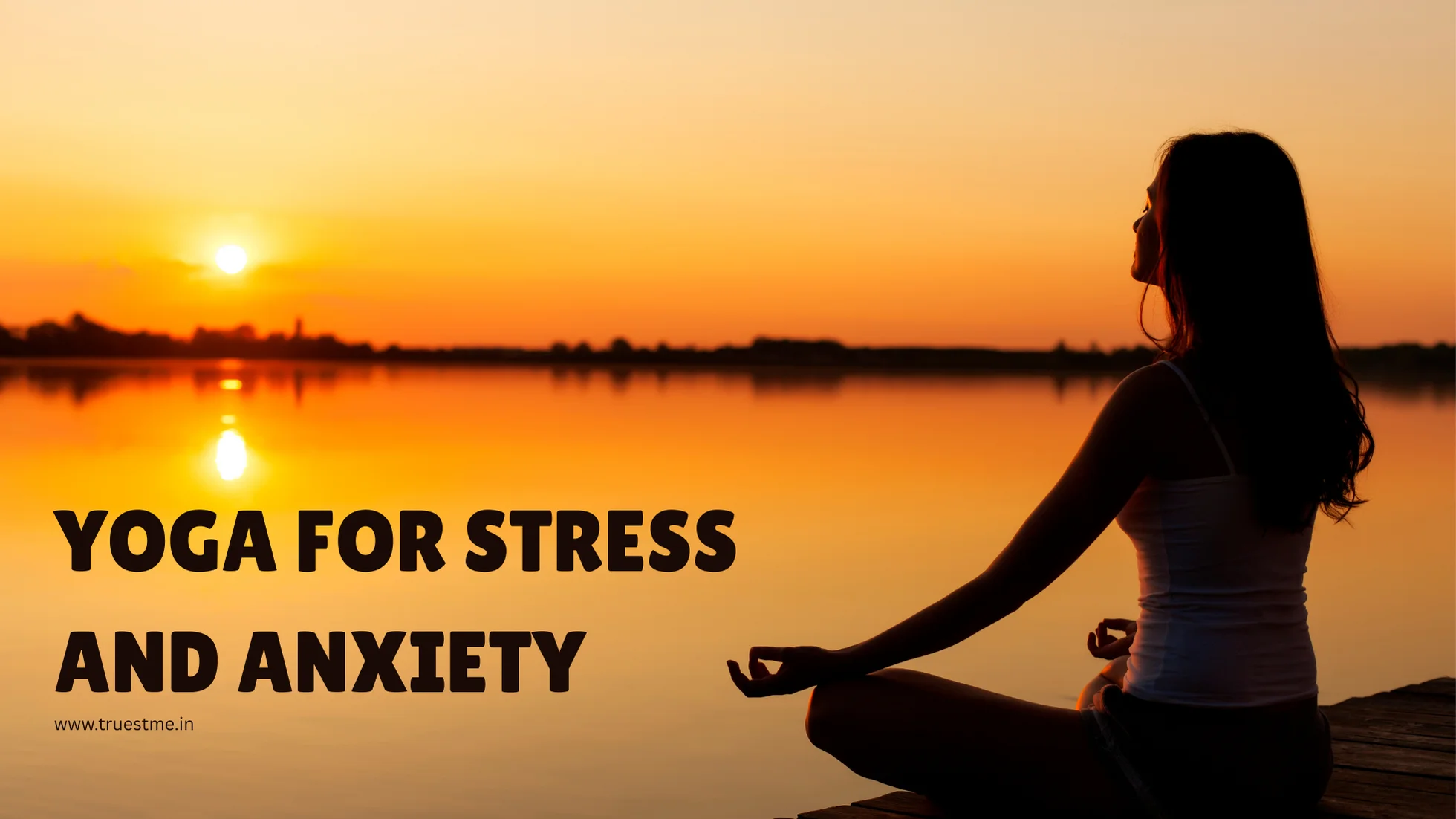
In our modern, fast-paced world, stress and anxiety have become pervasive challenges. According to the World Health Organization, nearly one in four people experiences mental health issues linked to stress at some point in their lives. Chronic stress doesn’t just affect the mind—it triggers physical health problems, including high blood pressure, weakened immunity, digestive disorders, and hormonal imbalances.
Yoga, a centuries-old practice, offers a holistic solution. By integrating postures (asanas), breath control (pranayama), meditation, and mindfulness, yoga helps regulate the nervous system, reduce cortisol levels, balance hormones, and promote emotional resilience. In this guide, we’ll explore scientifically proven techniques, daily routines, advanced practices, and lifestyle strategies to manage stress and anxiety naturally.
Understanding Stress and Anxiety
Stress is the body’s response to perceived threats, triggering the "fight or flight" response. While acute stress can be beneficial, chronic stress leads to persistent high cortisol levels, which disrupt sleep, metabolism, and emotional stability.
Types of Stress:
Acute Stress: Short-term, often triggered by deadlines or immediate challenges. Can improve alertness temporarily.
Chronic Stress: Long-term, persistent stress with cumulative physical and psychological effects.
Impact of Anxiety on the Body:
- Elevated heart rate and blood pressure
- Increased cortisol and inflammatory markers
- Digestive problems (IBS, bloating)
- Impaired immune response
- Difficulty concentrating and cognitive decline
Understanding these mechanisms highlights why a mind-body approach like yoga is highly effective.
How Yoga Reduces Stress and Anxiety
Yoga works through multiple physiological and psychological pathways:
Nervous System Regulation:
- Activates the parasympathetic nervous system (“rest and digest”)
- Reduces sympathetic overactivity (“fight or flight”)
- Lowers heart rate, respiratory rate, and blood pressure
Hormonal Balance:
- Reduces cortisol (stress hormone)
- Enhances serotonin, dopamine, and GABA, improving mood and calmness
Mindfulness and Cognitive Benefits:
- Improves attention, focus, and emotional regulation
- Reduces rumination and anxiety by anchoring awareness in the present
Physical Relaxation:
- Stretches and releases tension in muscles, neck, shoulders, and back
- Improves blood flow and oxygenation to the brain
Scientific Evidence:
A study in Frontiers in Psychiatry (2020) found that 8–12 weeks of yoga reduced anxiety and depression scores significantly.
Yoga practitioners show lower cortisol levels and improved autonomic nervous system balance compared to non-practitioners.
Types of Yoga Effective for Stress and Anxiety
Different yoga styles have unique benefits:
- Hatha Yoga: Gentle, slow-paced; ideal for beginners and stress relief
- Vinyasa Yoga: Flowing sequences that reduce tension and release stored energy
- Yin Yoga: Deep, long-held stretches encouraging introspection and mindfulness
- Restorative Yoga: Supported poses with props for full relaxation and nervous system reset
- Pranayama-Focused Practices: Breathing-centric sessions to calm the mind and reduce anxiety
Advanced practitioners often combine multiple styles for maximal therapeutic effects.
Effective Yoga Poses for Stress Relief
1. Child’s Pose (Balasana): Relieves back tension, lowers heart rate, and induces mental calm.
2. Cat-Cow Pose (Marjaryasana-Bitilasana): Improves spinal flexibility, releases neck and back tension, and coordinates breath with movement.
3. Forward Fold (Uttanasana): Calms the nervous system and stretches hamstrings, aiding relaxation.
4. Legs-Up-The-Wall Pose (Viparita Karani): Reduces anxiety, improves circulation, and stimulates the parasympathetic system.
5. Corpse Pose (Savasana): Ultimate relaxation; integrates postures and meditation to reduce cortisol levels.
6. Bridge Pose (Setu Bandhasana): Opens the chest, stimulates thyroid function, and relieves mild depression.
7. Reclining Bound Angle Pose (Supta Baddha Konasana): Opens hips, relaxes the pelvis, and reduces tension in the lower back.
Tip: Focus on slow, deep breaths during each pose, holding for 1–5 minutes depending on comfort.
Breathing Techniques (Pranayama)
Controlled breathing is a powerful tool for regulating stress response:
- Alternate Nostril Breathing (Nadi Shodhana): Balances left/right hemispheres of the brain, calms the mind
- Diaphragmatic Breathing: Activates parasympathetic nervous system and slows heart rate
- 4-7-8 Breathing Technique: Promotes relaxation and reduces insomnia
- Bhramari (Bee Breath): Produces vibrations that relieve mental tension and anxiety
- Kapalabhati (Cleansing Breath): Stimulates metabolism and energy flow; best for intermediate practitioners
Tip: Daily pranayama practice of 10–15 minutes significantly lowers stress markers.
Meditation and Mindfulness
Yoga combined with meditation enhances emotional resilience:
- Mindfulness Meditation: Observing thoughts non-judgmentally reduces rumination
- Guided Visualization: Imagining peaceful scenarios lowers physiological stress responses
- Body Scan Meditation: Sequentially relaxing each part of the body releases accumulated tension
- Loving-Kindness Meditation (Metta): Cultivates positive emotions and reduces anxiety
- Science: Studies show mindfulness-based stress reduction (MBSR) decreases cortisol and improves cognitive function.
Daily Yoga Routine for Stress Management
Duration: 20–40 minutes daily
Sample Routine:
- 5 min: Diaphragmatic breathing
- 5 min: Cat-Cow, Neck and Shoulder Stretches
- 10–15 min: Child’s Pose, Forward Fold, Legs-Up-The-Wall
- 5 min: Restorative poses with props
- 5–10 min: Savasana + meditation
Consistency Tip: Even short daily sessions outperform longer but inconsistent practices.
Lifestyle Practices to Complement Yoga
Yoga’s benefits amplify when combined with healthy lifestyle habits:
- Balanced Diet: Anti-inflammatory foods (fruits, vegetables, nuts, omega-3 rich fish)
- Sleep Hygiene: Regular sleep schedule; avoid late-night screen time
- Digital Detox: Reduce social media overload to lower cognitive stress
- Journaling and Gratitude: Helps process emotions and promotes positivity
- Nature Exposure: Walking or meditating in green spaces reduces cortisol and anxiety
Scientific Evidence and Expert Insights
- Neuroscience Research: Yoga increases GABA levels, which are linked to reduced anxiety
- Heart Health: Lowers blood pressure and heart rate variability improves
- Mental Health: Clinical trials indicate reduced depression and anxiety scores after yoga interventions
- Expert Tip: Combine asanas + pranayama + meditation for maximal results
Conclusion
Yoga is not just physical exercise; it is a comprehensive mental health tool that integrates movement, breath, and mindfulness. Regular practice:
- Reduces stress and anxiety
- Balances hormones and cortisol levels
- Enhances emotional resilience
- Improves sleep, mood, and cognitive function
By adopting yoga along with supportive lifestyle habits, you can achieve lasting mental calm, inner peace, and holistic well-being.