In an era of rapid digital transformation, staying relevant in IT requires more than foundational programming knowledge. Emerging technologies such as artificial intelligence (AI), cloud computing, cybersecurity, blockchain, and automation are not just reshaping business operations—they are redefining career opportunities in IT.
By 2026, the global IT workforce will need professionals who can adapt to evolving technologies, solve complex problems, and innovate across domains. This blog explores the most valuable IT skills for the future, including core technical competencies, niche emerging skills, soft skills, certifications, and strategies to future-proof your IT career.
The Evolving IT Landscape in 2026
Global Trends
AI and Machine Learning: AI adoption is expected to reach $450 billion globally by 2026, with applications in automation, predictive analytics, healthcare, and finance. AI specialists will remain in extremely high demand.
Cloud Computing: Gartner predicts over 90% of enterprises will rely on cloud-based solutions, requiring cloud architects, DevOps engineers, and cloud security professionals.
Cybersecurity: Cybercrime costs are projected to exceed $10 trillion annually by 2026, creating a critical need for cybersecurity experts.
Blockchain & Web3: Blockchain adoption is moving beyond cryptocurrencies into supply chain, finance, healthcare, and government applications.
IoT & Automation: Over 50 billion connected devices are expected globally, driving demand for IoT developers and engineers in smart systems.
Skills Gap
Despite high demand, organizations report a persistent IT skills shortage, particularly in AI, cloud, cybersecurity, and full-stack development. This shortage creates lucrative opportunities for professionals with specialized expertise.
Core Technical Skills for the Future
1. Artificial Intelligence & Machine Learning
Roles: AI Engineer, ML Developer, Data Scientist, NLP Engineer
Key Skills: Python, R, TensorFlow, PyTorch, computer vision, natural language processing (NLP), reinforcement learning
Why It Matters: AI is central to automation, predictive analytics, and business intelligence. By 2026, AI-driven roles will account for 10–15% of all IT jobs in developed economies.
2. Cloud Computing & DevOps
Roles: Cloud Architect, DevOps Engineer, Site Reliability Engineer
Key Skills: AWS, Azure, Google Cloud, Docker, Kubernetes, CI/CD pipelines, serverless computing
Why It Matters: Organizations increasingly rely on cloud infrastructure for scalability, security, and cost efficiency. Cloud skills are among the highest-paying IT skills, with salaries often 20–30% higher than average IT roles.
3. Cybersecurity
Roles: Ethical Hacker, Security Analyst, Penetration Tester, Cloud Security Specialist
Key Skills: Ethical hacking, threat intelligence, network security, SIEM tools, incident response, cloud security
Why It Matters: With cyberattacks rising in frequency and sophistication, cybersecurity remains a critical and high-demand domain for future IT professionals.
4. Data Analytics & Big Data
Roles: Data Analyst, Data Engineer, Business Intelligence (BI) Developer
Key Skills: SQL, Python, R, Tableau, Power BI, Hadoop, Spark
Why It Matters: Organizations rely on data-driven decision-making to remain competitive. Professionals who can analyze, interpret, and visualize data are expected to see steady demand growth of 12–15% annually.
5. Blockchain & Web3 Technologies
Roles: Blockchain Developer, Smart Contract Auditor, DeFi Specialist
Key Skills: Solidity, Ethereum, Hyperledger, smart contracts, DApps
Why It Matters: Blockchain is expanding into enterprise applications, creating high-paying, niche career opportunities with relatively low competition.
6. Software & Web Development
Roles: Full-Stack Developer, Mobile App Developer, Front-End/Back-End Engineer
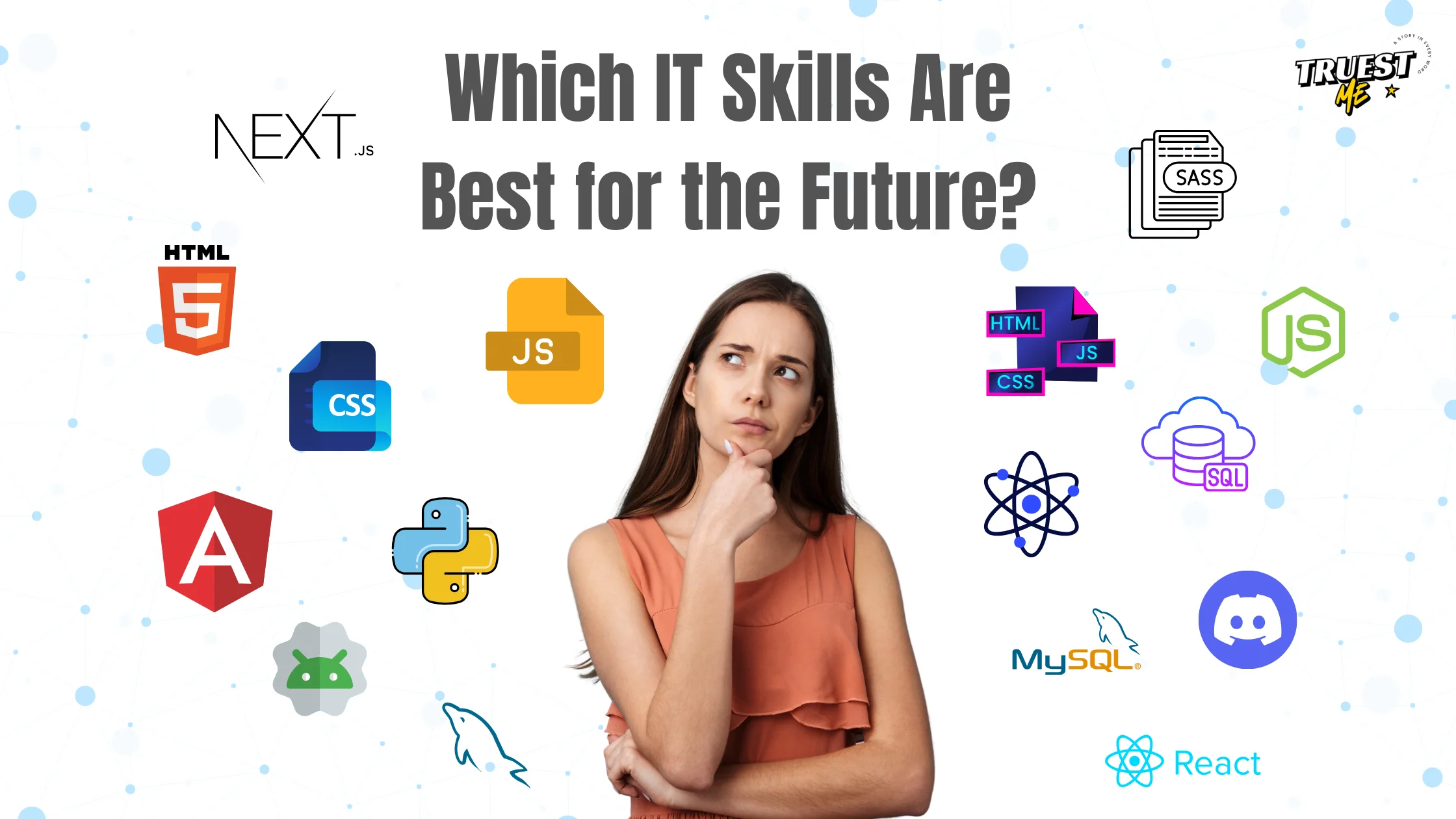
Key Skills: JavaScript, React, Angular, Node.js, Flutter, Kotlin, Swift
Why It Matters: Development skills remain foundational for IT and serve as a gateway to specialized areas like AI, blockchain, and cloud computing.
Emerging & Niche Skills
Quantum Computing: Early adoption in finance, research, and cryptography.
AR/VR Development: Gaming, training simulations, healthcare, and metaverse applications.
IoT & Embedded Systems: Smart homes, smart factories, industrial automation.
RPA (Robotic Process Automation): Automating repetitive enterprise workflows.
Green IT & Sustainable Tech: IT solutions supporting environmental sustainability, energy efficiency, and carbon reduction.
Niche skills often command premium salaries and lower competition, making them highly strategic for long-term career growth.
Soft Skills & Complementary Skills
Problem-Solving & Critical Thinking: Essential for addressing complex, dynamic technical challenges.
Adaptability & Continuous Learning: Staying current with technology trends is critical in a rapidly evolving field.
Communication & Collaboration: Explaining technical solutions to non-technical stakeholders is highly valued.
Project Management & Leadership: Professionals who can lead teams and manage projects effectively have a competitive advantage.
Integrating soft skills with technical expertise ensures long-term employability and upward mobility.
Certifications & Learning Pathways
- Cloud Computing: AWS Certified Solutions Architect, Microsoft Azure, Google Cloud Professional
- AI/ML & Data Science: TensorFlow Developer, Google Data Analytics Certificate
- Cybersecurity: Certified Ethical Hacker (CEH), CompTIA Security+, CISSP
- Blockchain: Certified Blockchain Developer, Solidity Smart Contract Developer
- Development & DevOps: Scrum Master, Kubernetes Administrator, DevOps Professional
Hands-on projects, GitHub contributions, and internships are equally important for demonstrating practical proficiency.
Industry Demand & Salary Insights
High-demand roles in 2026: AI Engineer, Data Scientist, Cloud Architect, Cybersecurity Specialist, Blockchain Developer
Salary Trends: Professionals with advanced tech skills can earn 40–70% more than peers with basic IT knowledge.
Remote & Global Opportunities: Many roles are location-independent, allowing access to international clients and companies.
How to Choose the Right IT Skills for You
Self-Assessment: Identify your interests, strengths, and long-term career goals.
Market Research: Explore industry trends, salaries, and in-demand skills.
Trial & Experimentation: Take online courses, do projects, and participate in hackathons.
Balance Passion and Opportunity: Focus on skills that are both personally interesting and market-relevant.
Future-Proofing Your IT Career
Combine technical expertise with domain knowledge and business acumen.
Build a diverse portfolio of projects across multiple technologies.
Engage in lifelong learning, attend workshops, and stay updated with emerging trends.
Network actively through professional communities, LinkedIn, and open-source projects.
Conclusion
The IT industry of 2026 offers tremendous opportunities—but only for those who prepare strategically. Core skills like AI, cloud computing, cybersecurity, data analytics, blockchain, and full-stack development are essential, while niche technologies like quantum computing, AR/VR, IoT, RPA, and sustainable IT provide high-value advantages.
By integrating technical proficiency with soft skills, certifications, and practical experience, professionals can future-proof their careers, secure high-paying roles, and maintain adaptability in a fast-changing world. Choosing the right skills today ensures relevance, stability, and growth in the IT workforce of tomorrow.